
“Listen to them, the children of the night. What music they make!”
– Bram Stoker
The legend of vampires has always had a connection to jewellery. Truthful, fictional, and all in between, let’s explore vampire legends and find all the places where jewellery glistens just as lustrously as freshly-popped thangs in the full moon.
Demons as pre-vampires
Lore surrounding blood-sucking creatures is as old as humanity itself. But the ancients did not refer to these as vampires, but simply demons or even the devil itself. One of the most popular blood-sucking demons in Lilith. While originating in Mesopotamia, the legend of Lilith became especially popular within certain branches of mystical Judaism. Lilith was said to be the first wife of Adam, who refused to obey him. She was banished from Eden, and spiralled out of control to end up a baby-eating, blood-sucking demon. Or, these days – a vampire.
Vampire origin story according to Greek mythology
To truly appreciate the complexity behind vampires, let’s revise some Greek mythology. The story started with Ambrogio, a young adventurer who travelled around and found himself in the ancient city of Delphi. There, he was intrigued by the Oracles at the temple of sun god, Apollo. But he was even more intrigued by the sister of one of the Oracles, Selene, who he met one morning after a sleepless night trying to decipher the Oracle’s entranced prediction about his life. It went like: “The curse. The moon. The blood will run”.
Ambrogio got too distracted by his growing infatuation with Selene to think too deeply about this curse. He decided to propose to her, and she was delighted. But there was a problem. The sun god, Apollo, wanted Selene all to himself. Considering that Selene and Ambrogio would meet up each morning, Apollo decided that he’d curse Ambrogio with an epic sunlight allergy. His skin would burn in the sun, nay – he would burn in the sun.
Sheltering from the sun in a cave, Ambrogio struck up a deal with Hades, the god of the underworld. Hades wanted Artemisia’s silver bow in exchange for a place in the underworld for the couple. We don’t know exactly why he wanted that bow, just fancied it. Artemisia was the goddess of the hunt and Apollo’s sister. Hades would give Ambrogio a couple of wooden arrows and a bow to aid in his quest for the silver one. Ambrogio instead used it to hunt for swans, whose feathers he’d use as pens and blood as ink to write poems. Ambrogio would leave these love letters for Selene to find just before dawn. When he ran out of arrows, he convinced Artemisia to lend him her silver bow and arrow to get a swan to write one last love poem. Awwww, thought Artemisia and agreed to it. Of course Ambrogio ran to Hades to give him the silver goods. But Artemisa caught him red-handed and made him also allergic to silver, so the metal burned his hands. Begging for forgiveness and revealing the reason behind his betrayal, Artemisia agreed to let them live in her protection as long as they did not touch or kiss. She was big on chastity. And so they did. They worshipped the goddess of the hunt, and lived happily at night. Only… Selene aged. Ambrogio was layered with curses which made him immortal – not only allergic to the sun and silver. And so, on Selene’s deathbed, Ambrogio decided to call on Artemisia and beg her to make Selene immortal like him. Yeah, sure, said Artmesia, but by now you know there will be a catch. Ambrogio braced himself as he listened. Artemisia said that immortal life would be all theirs as long as Ambrogio bit Selene and drank up her blood. A mix of their blood would give eternal life to anyone. Not ideal, but he agreed to do it, making them both into the world’s first vampires – and Selene became the goddess of moonlight as a bonus.
Medieval and pre-Victorian vampires
Victorians had to take their inspiration from somewhere, and while a lot of lore and legend is based on Greek mythology above, even more is taken from powerful historical figures that either did despicable things, or someone despicable made up those things about them, making them become the universal truth.
The first medieval vampire I’d like to mention is Vlad Țepeș, also known as Vlad the Impaler, and also known as Vlad Dracula. He was the Voivode of Wallachia, and an important historical figure in terms of his war tactics and strategies. Did he scare his enemies away by impaling their troops onto stakes while still alive? Yes. But was he also constantly betrayed by everyone surrounding him? Also yes.
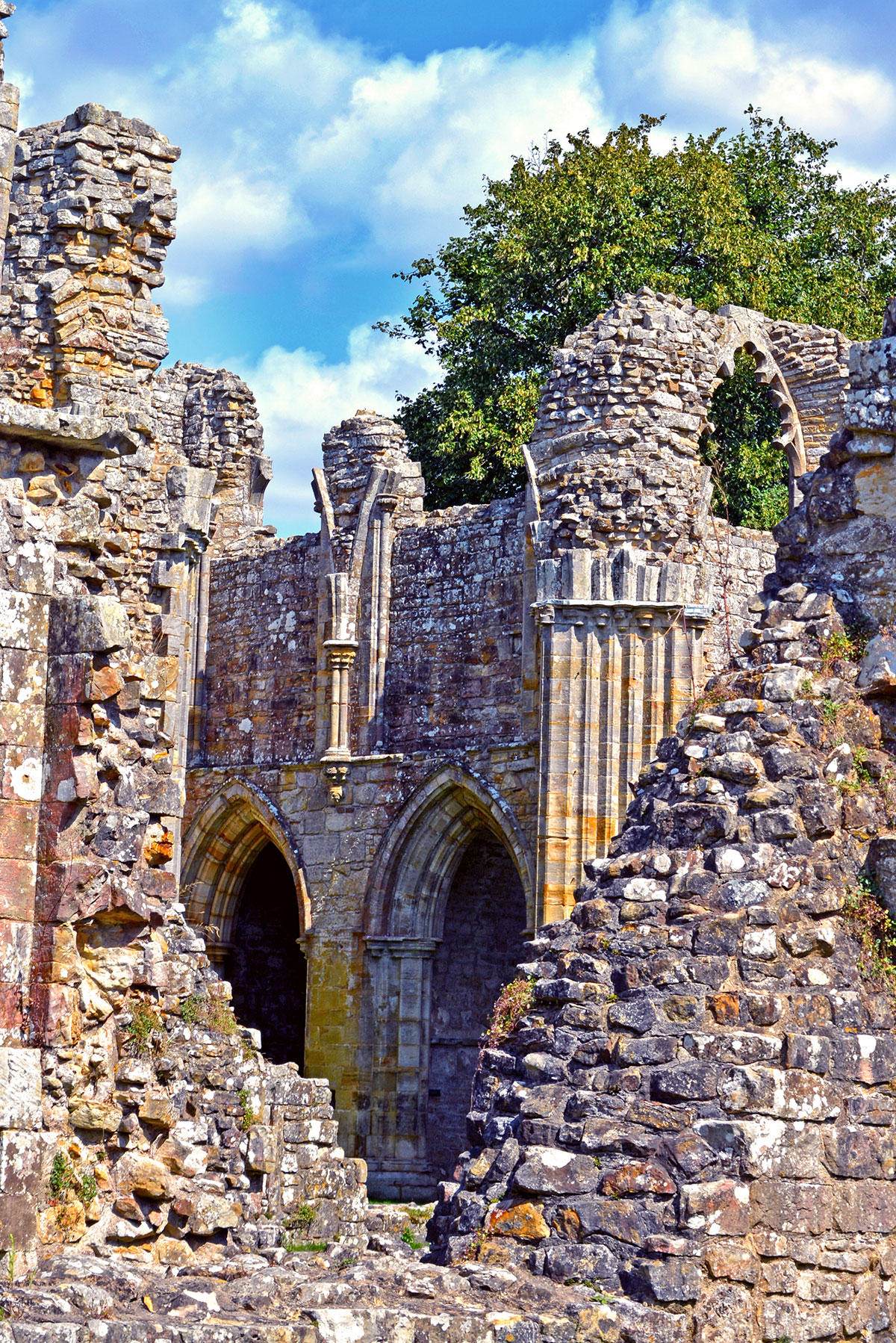
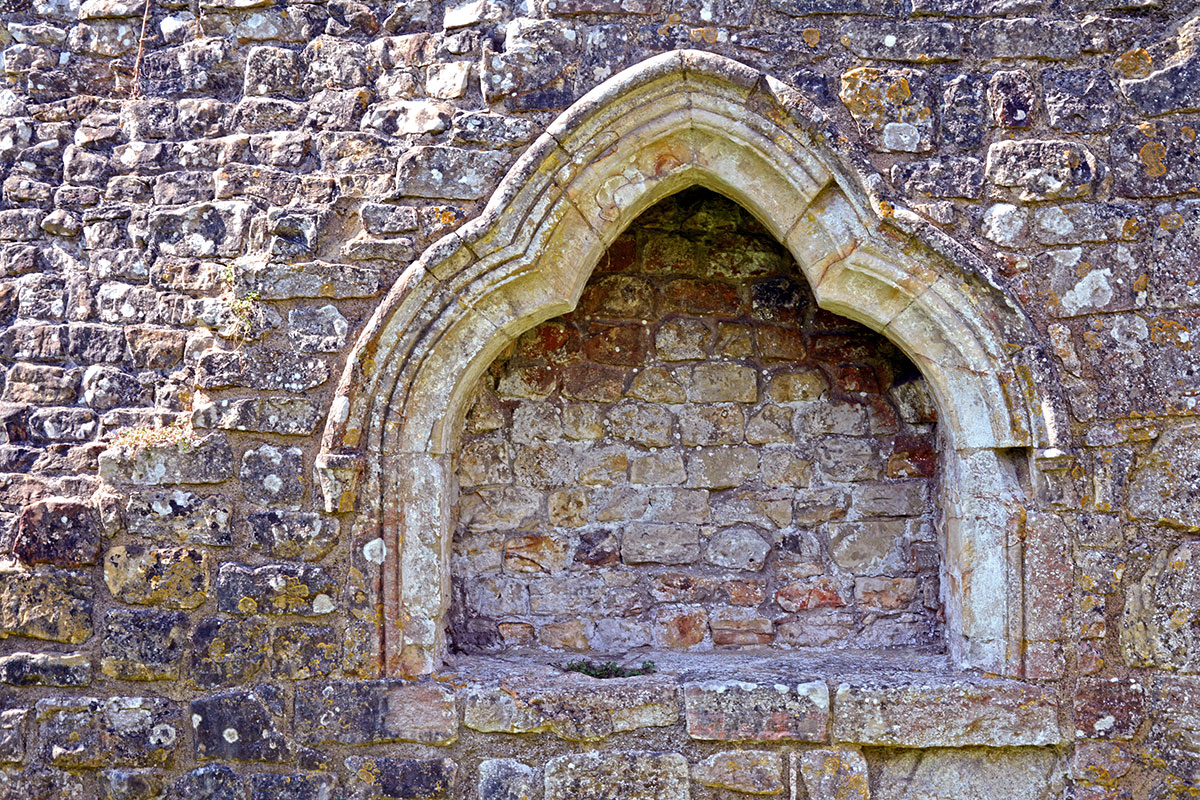
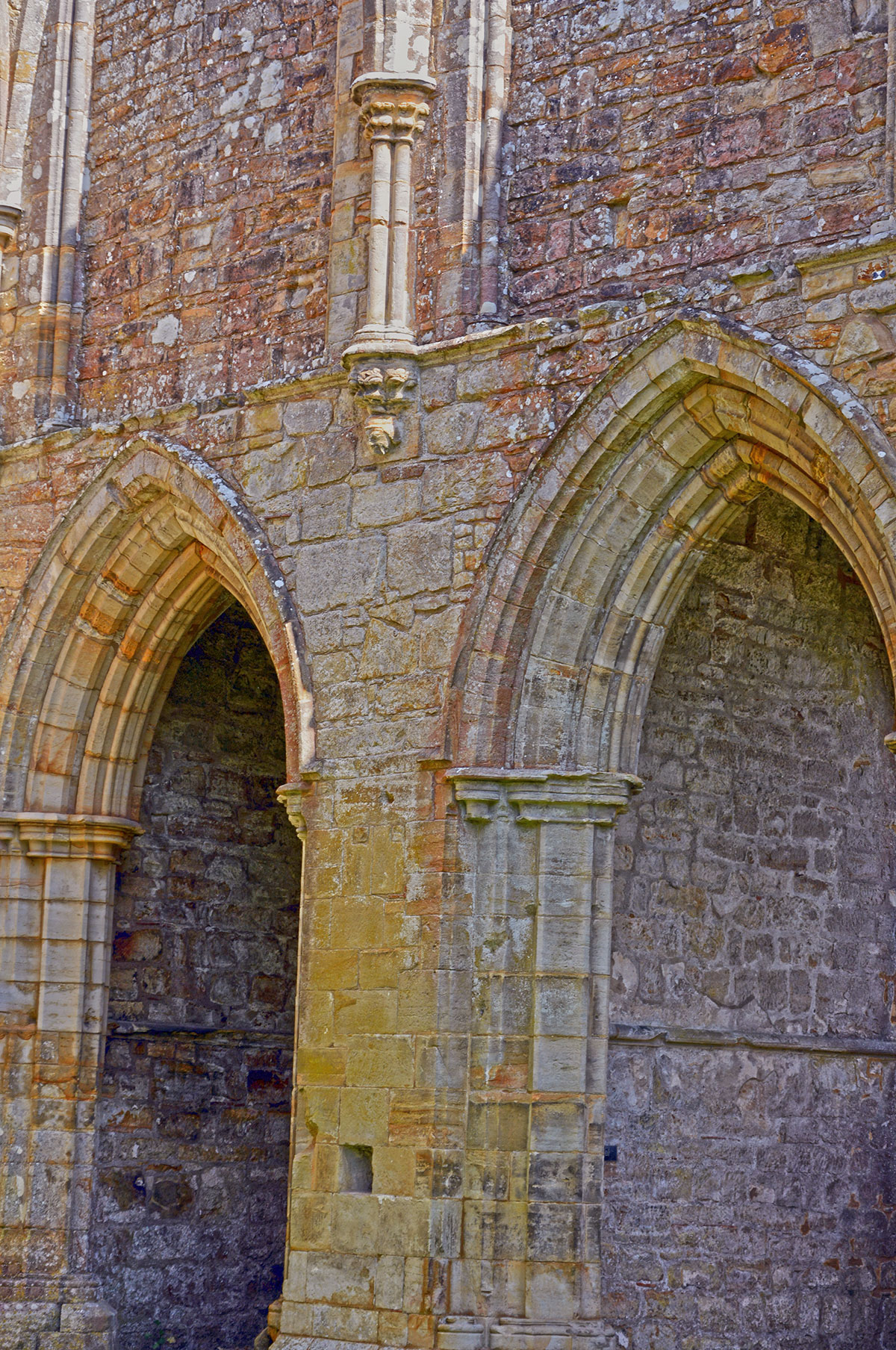
His cruelty is the inspiration behind Bran Stoker’s Dracula. The eerie and foggy castle, the territory of Transylvania, and the history of relentless blood-shed were the main ingredients to the creation of Count Dracula we all know today. That, and Whitby Abbey, a ruin in a seaside town in England.
The other notable character I’d like to bring to your attention is Countess Báthory Erzsébet, or Elizabeth Bathory. A powerful, rich noblewoman from the XVI century who one day became a widow. It all went downhill pretty quickly from there. Her daughters’ husbands, neighbouring nobles and even her son’s governor, all wanted to slice up Elizabeth’s estate. Annoyingly to them, she was still alive and relatively young. So a plan to damn her was concocted. She was accused of murdering hundreds of servants, with some testifying against her. While technically at the time this was not illegal, she still wanted to clear her name, but she never got a trial. Instead, her fate was decided. She was imprisoned in her own castle in a windowless room with a brick wall built for her to never be able to escape. Her captors were kind enough to build in a latch to pass on food and water into the room. She survived in these conditions for four years before she died. Meanwhile, her accusers comfortably lived in her castle.
Years after Elizabeth’s death, László Turóczi, a Jesuit, has decided to re-tell the Countess’s story. Only this time, he embellished it a bit with murder for blood, and bathing in said virgin blood as a beauty treatment. It served his narrative well to show the protestant Elizabeth in the worst light. Effectively, this is where the legend of her being a vampire originated from. It culminated in the Countess being listed in the Guinness Book of World Records as the most prolific female murderer. She still holds the record. But, did she actually kill and murder? We are none the wiser.
While these two characters are well known figures, by the XVIII century a sort of a vampirism hysteria started heating up. In some parts of the world, the dead were said to come back with a lust for blood, so all kinds of rituals started appearing. These included beheadings, stakes through the heart and other and desecration of bodies.
Empress Maria Theresa of Austria grew a bit tired of this obsession. She ordered a trusted physician to investigate the phenomena of vampirism, who concluded vampires did not exist. This made the Empress pass laws prohibiting disturbing the dead. This led to the vampire trend to die out – but not in literature.
Did you know?
Vampire bats were named after the vampires in folklore, not the other way around. The association between bats and vampires is relatively modern as vampire bats are native to Latin America; there are none in Europe.
Vampires in Victorian literature and beyond
In terms of prose, Byron is credited for starting the vampire trend in literature with “The Vampyre” (1819), which is slightly pre-Victorian. This was followed by an array of so-called penny dreadfuls. These were publications that cost just a penny and gave a much needed adrenaline rush to the Victorian folk as they were written about various horror-related subjects, including vampires.
The next notable vampire story was Sheridan Le Fanu’s lesbian vampire story Carmilla (1871). The story surrounds a young female who had fallen prey to Carmilla, an age-old vampire. And of course, we’ve already mentioned Bram Stoker’s Dracula (1897), arguably the most iconic fictional literature about vampires. It’s the likes of Carmilla and Dracula that give vampires overtones of sexual lust, desire and mystery. These were not monsters, these were sexy monsters.
And the sexy monster trend continued to modern day literature, with Ann Rice’s Vampire Chronicles (1976–2003), and Stephenie Meyer’s Twilight series (2005–2008).
Fast-forward to today, and vampirism is a lifestyle for some – most often to a goth subculture, where people drink each other’s blood as a leisurely activity (with permission). Others claim to be energy vampires. These allegedly drink up the energy exuded by people. To be fair, I’ve been in room with the latter, feeling my personal energy drained from me.
Vampire jewellery
Now that we know where vampires come from, and how far they’ve come, let’s see where jewellery fits in. Here are five times jewellery appeared in vampire legends and history.
Vampire jewellery in fiction
- Silver pendants and silver jewellery. Ever since it was mentioned in the origin story, silver kept on being a vampire no-no. Silver had an effect on vampires when it came in contact with their skin. It both burned and paralysed, similar to mortals being electrocuted. Though generally speaking, silver jewellery would be an unlikely vampire killer, but certainly not their metal of choice.
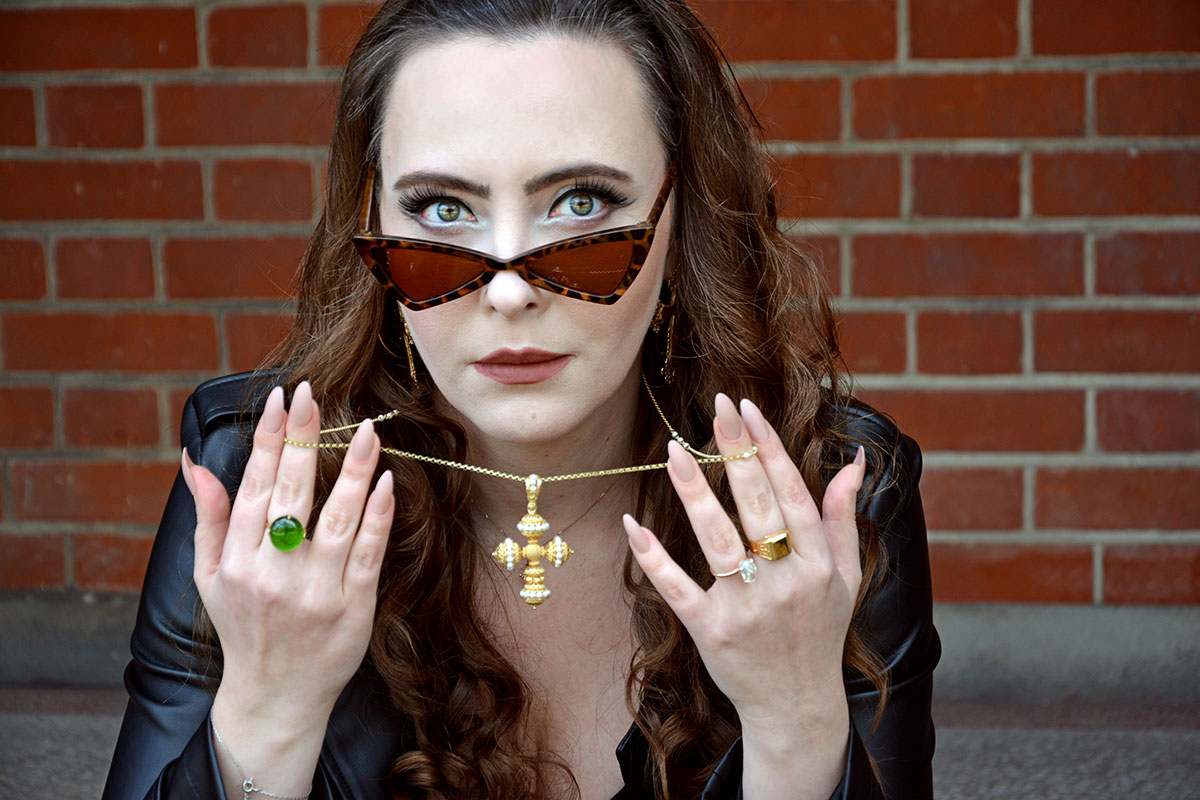
- Cross pendants. Another vampire deterrent would be a cross pendant, double whammy if the cross is big and made of silver. According to Victorian fiction anything catholic would help to chase vampires away, including holy water. By the way, you can read more on religious jewellery here.
- Daylight rings or amulets. Some fictional vampire characters wear so-called daylight jewellery to help them navigate in the daytime, by magically protecting them from the sun.
Vampire jewellery in history to modern times
- Elizabeth Bathory’s jewellery collection. From fiction, to reality. The Countess tried her hardest not to lose her jewellery collection to her enemies. But this was not meant to be. While her enemies locked her in a windowless room, the wife of her enemy very specifically looked for her jewels – and stole them from the helpless walled-in Countess. Oh, here’s a portrait of Elizabeth wearing some amazing pieces from her collection. And one more for all of you pearl lovers out there.
- Blood necklaces: I had to include more recent examples of the vampire-inspired aesthetic alive and well. Hollywood actors Angelina Jolie and Billy Bob Thorton infamously wore necklaces of each other’s blood while they were married. Fast-forward to today, Megan Fox and Machine Gun Kelly have also decided to wear each other’s blood around their necks.
Are you interested in legends and lore surrounding vampires? Would you wear jewellery deterring vampires on Halloween? Or, perhaps you’re also thinking of showing devotion by wearing a vial pendant with the blood of your beloved?
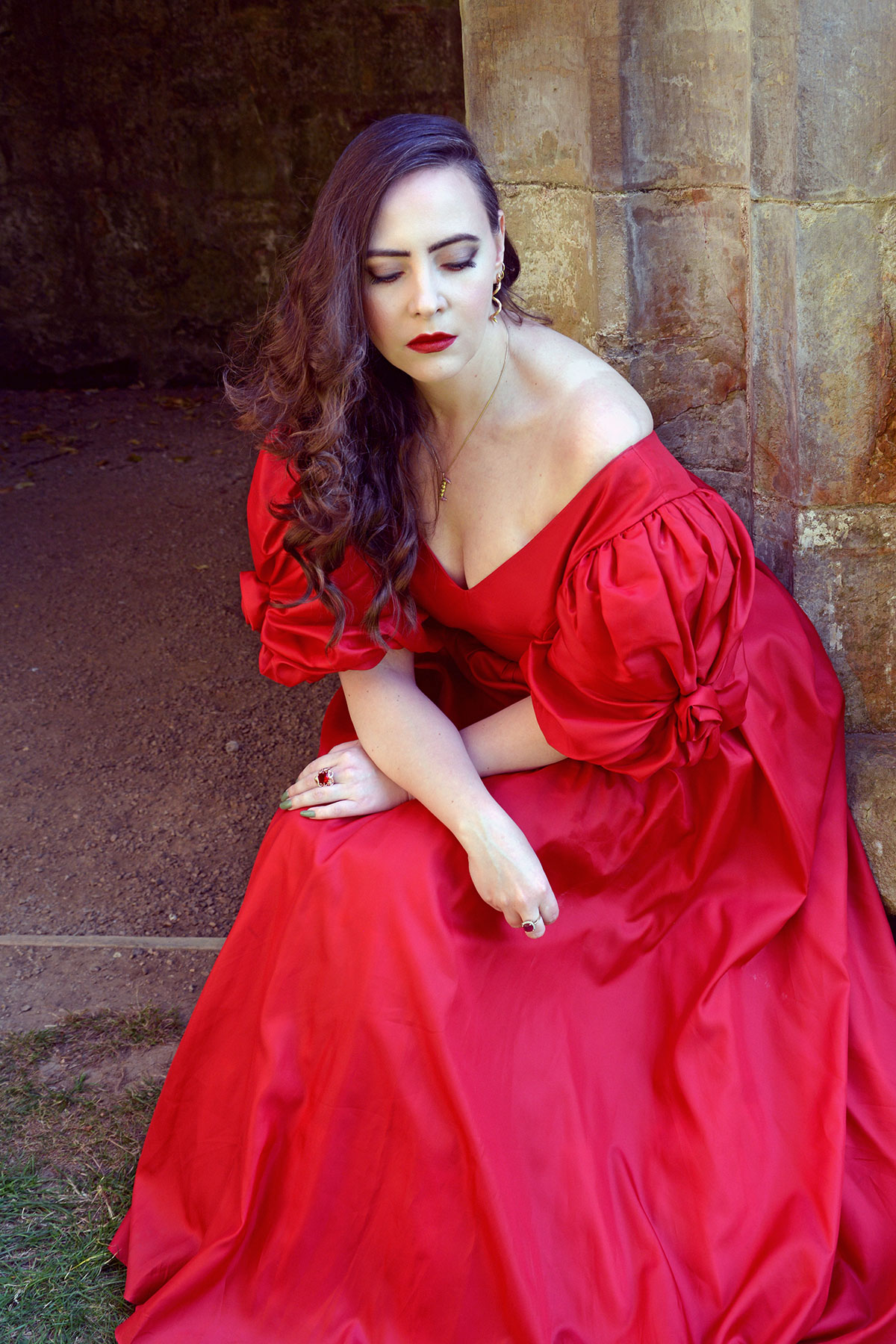
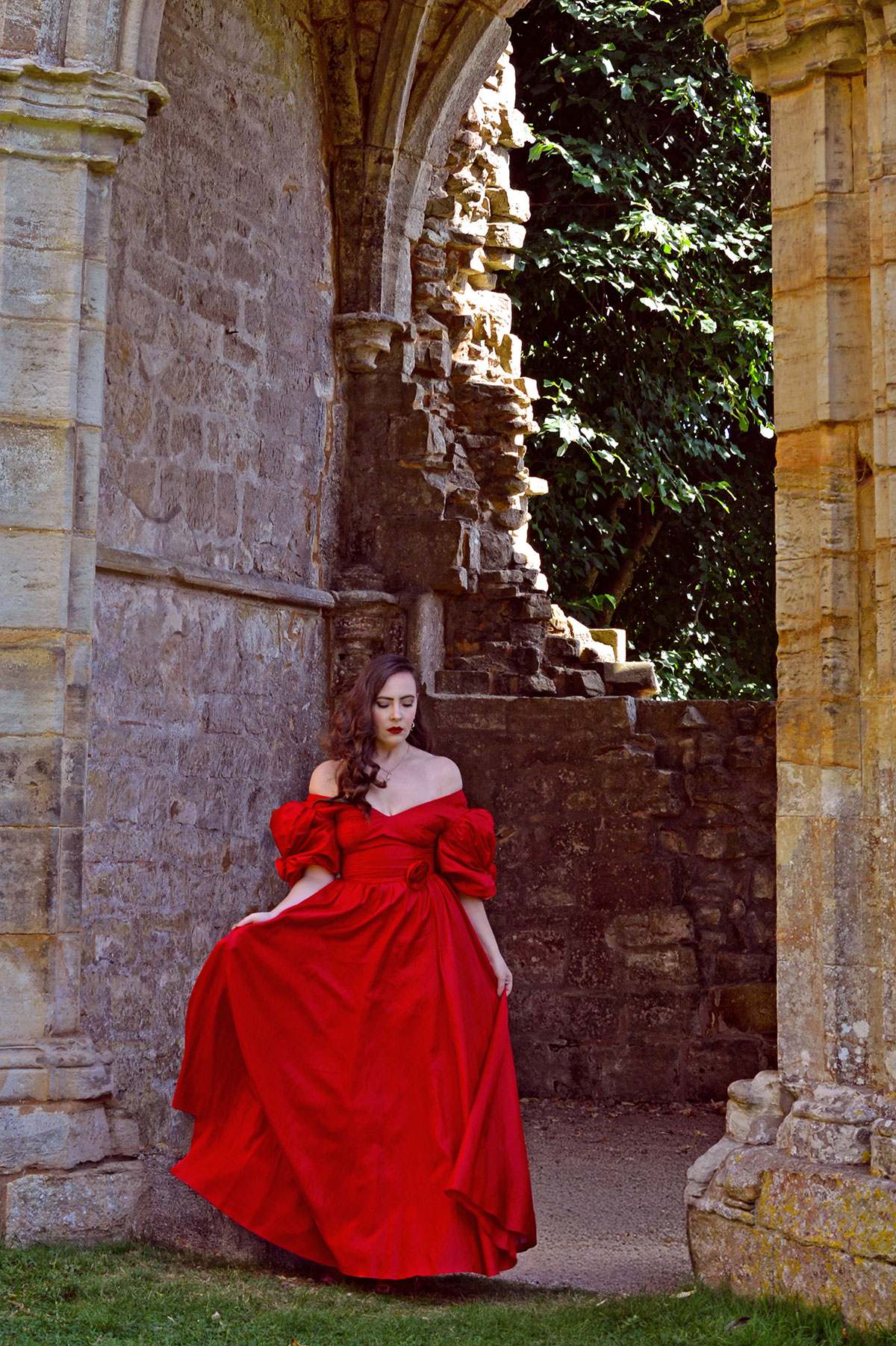
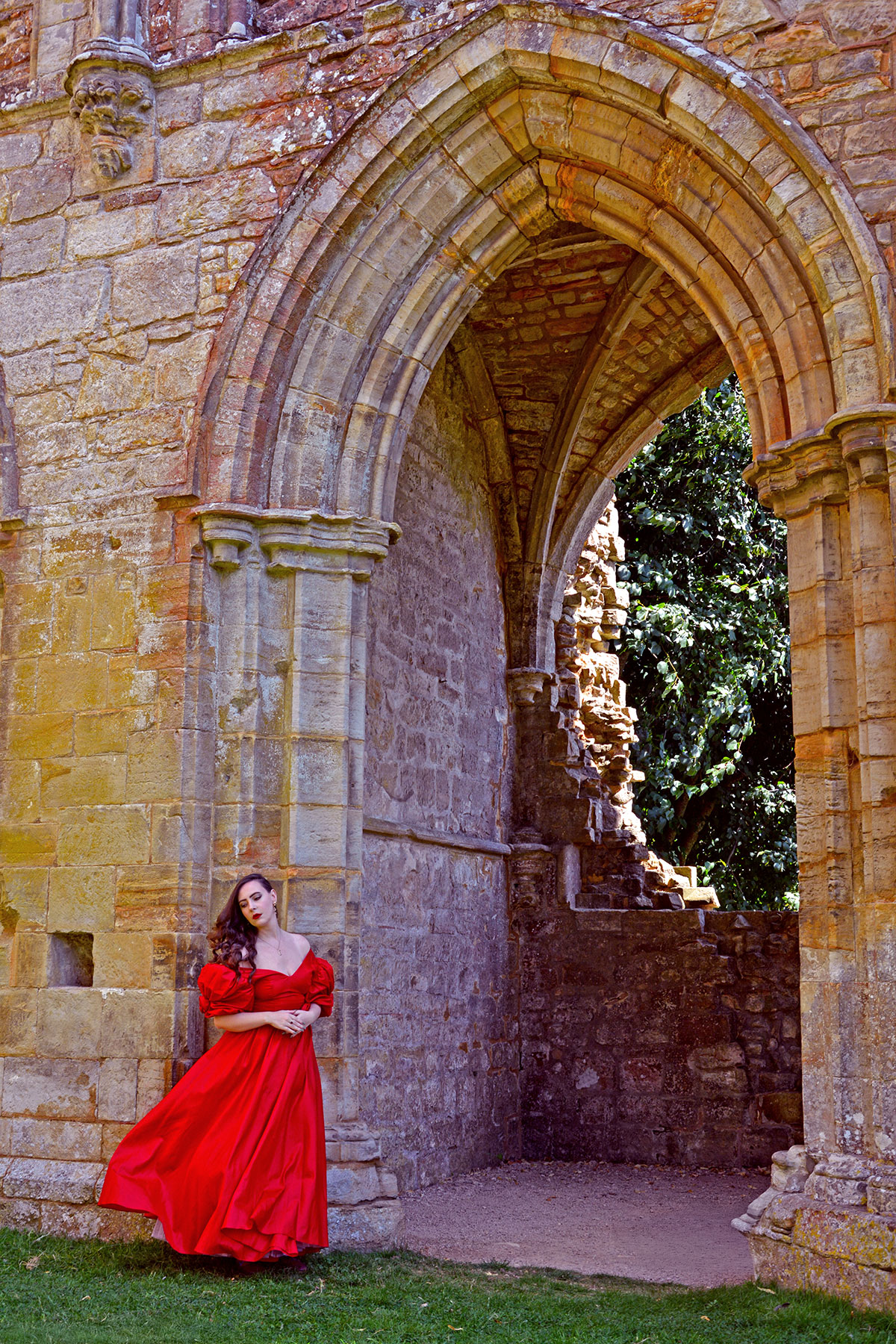
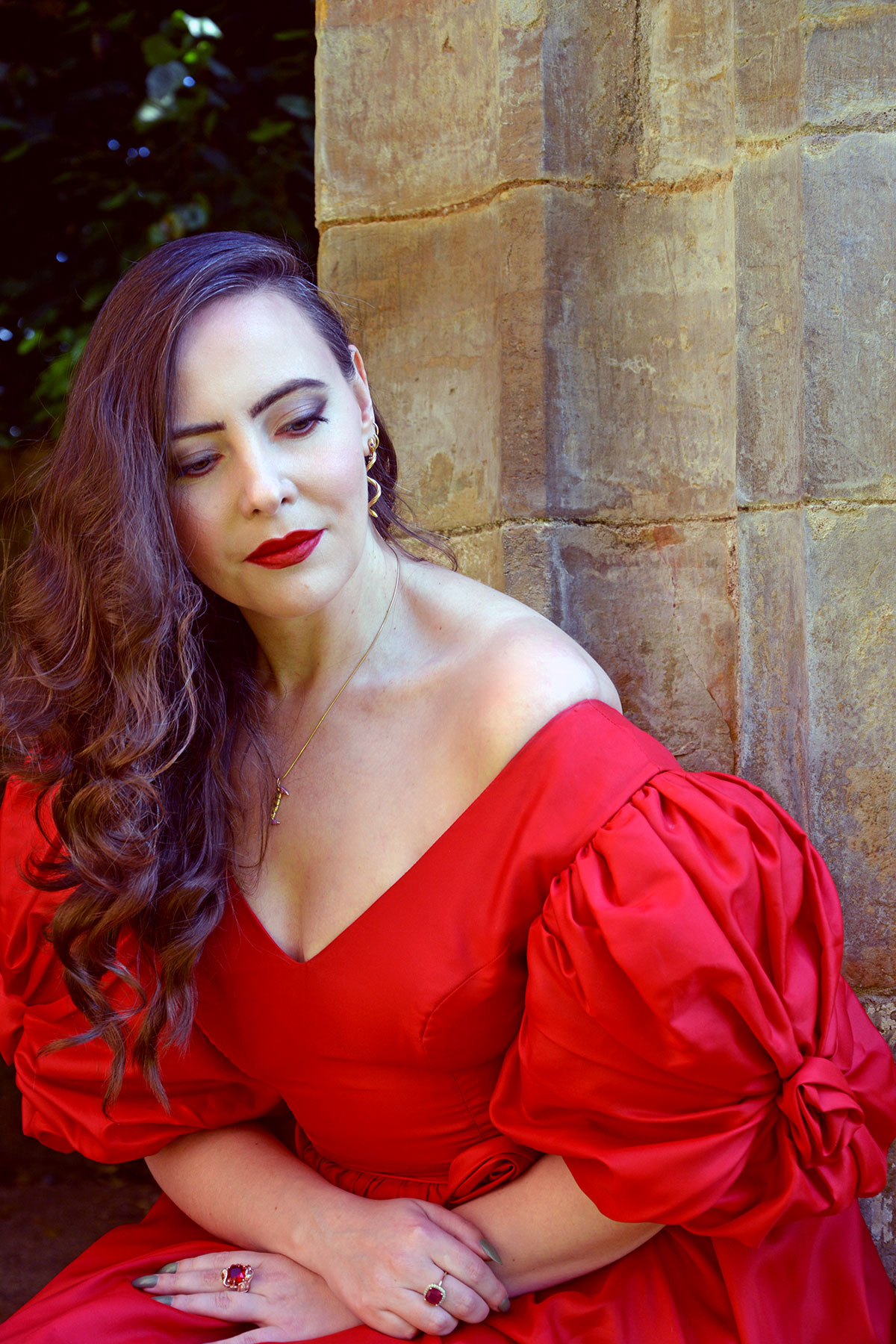
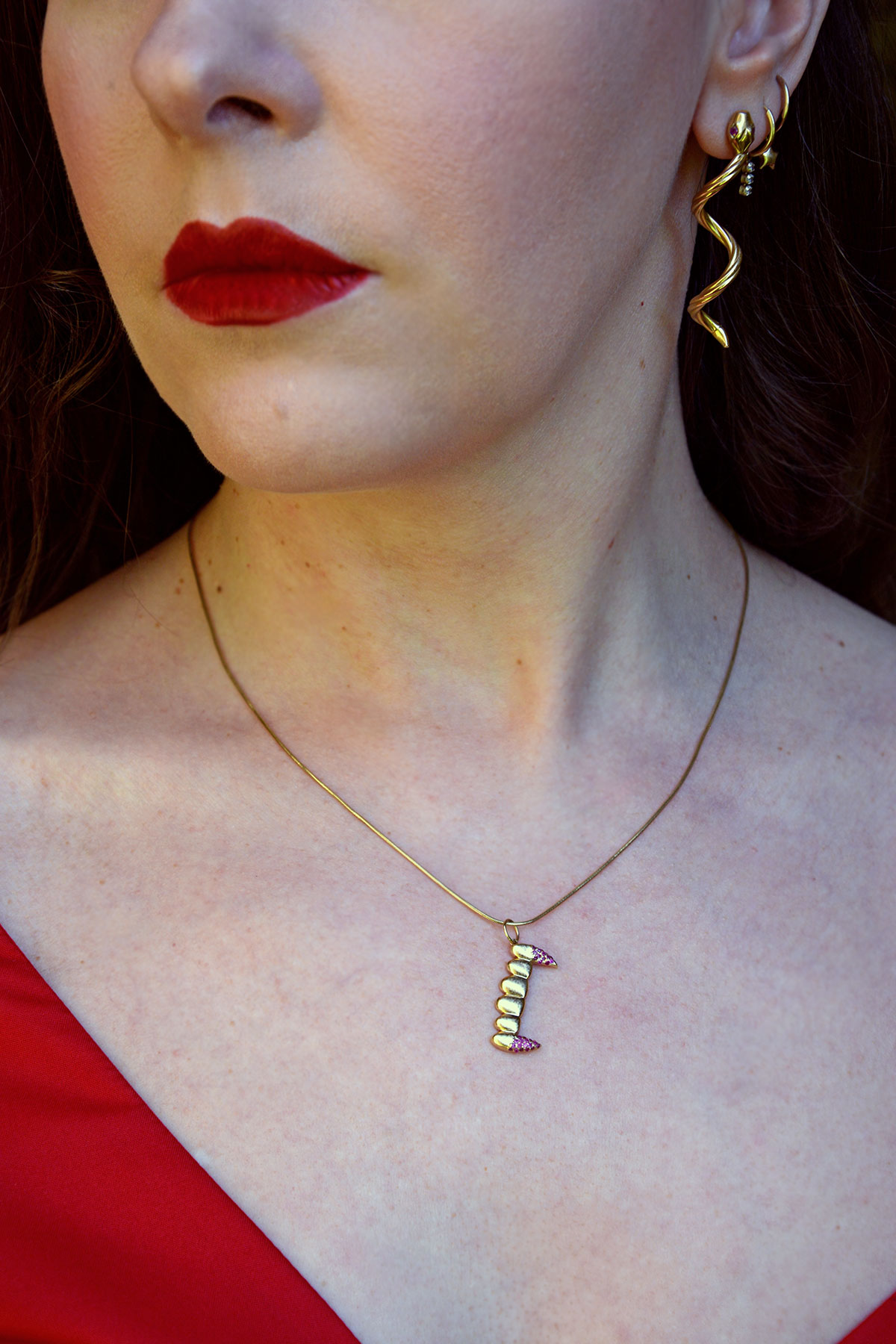
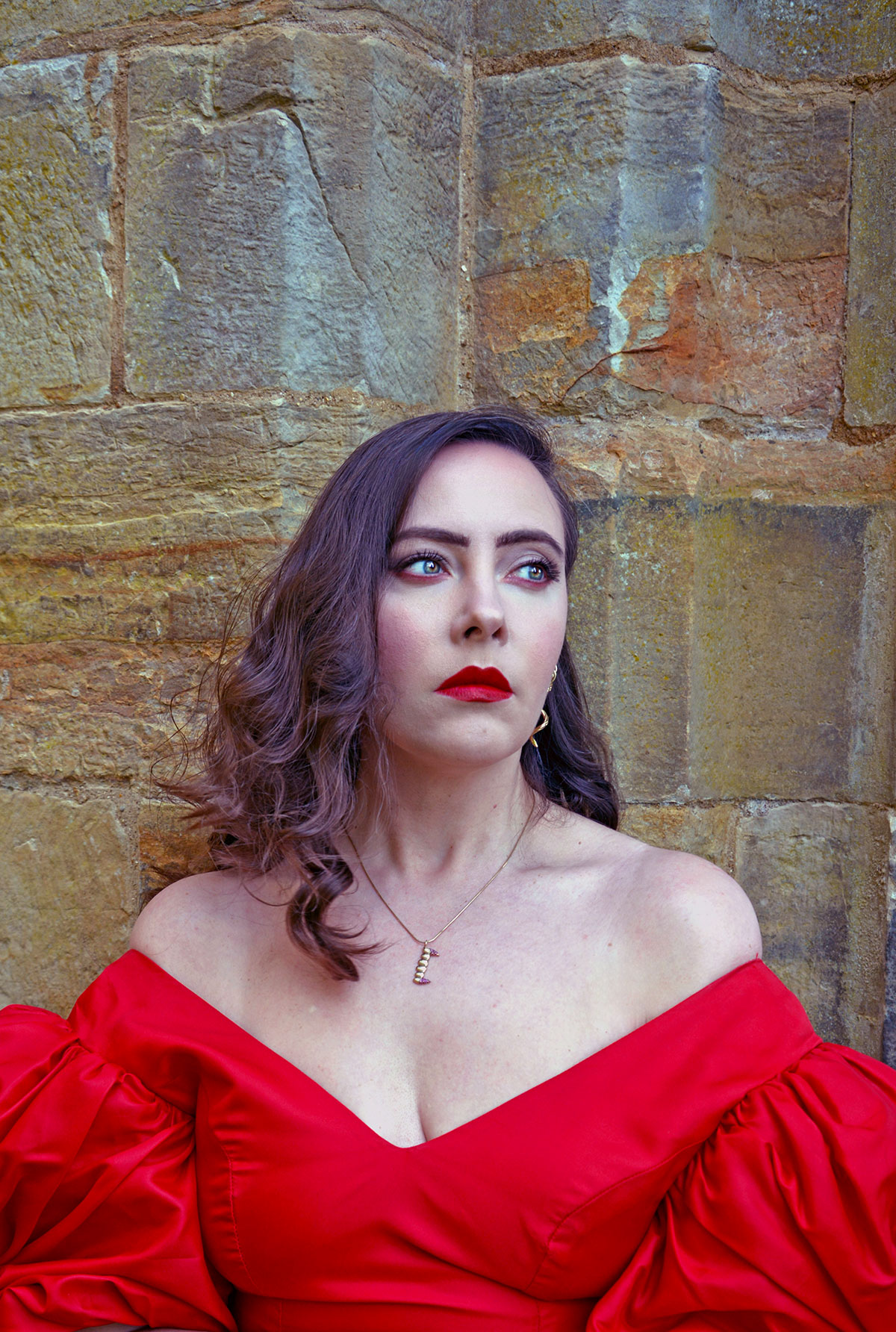
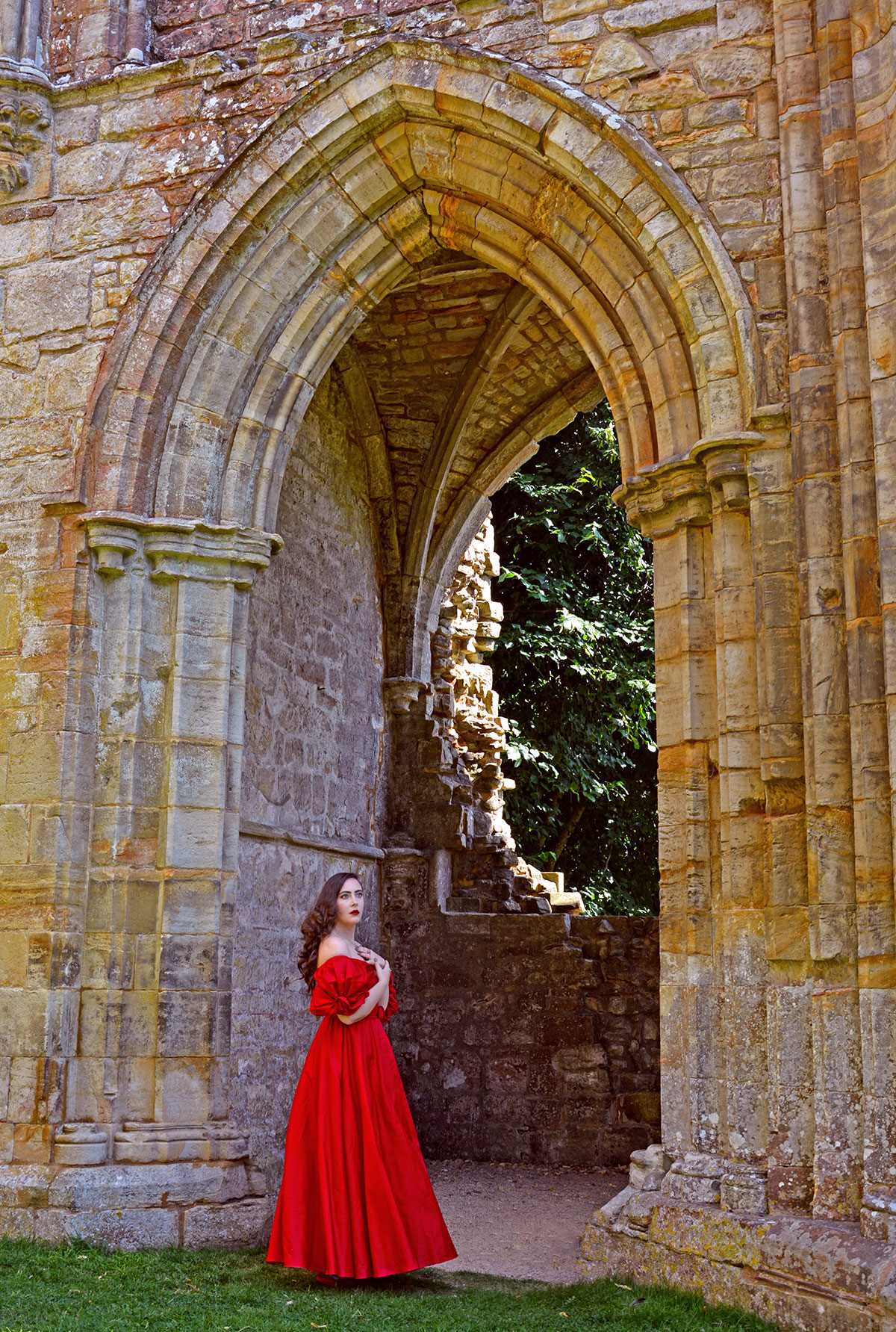
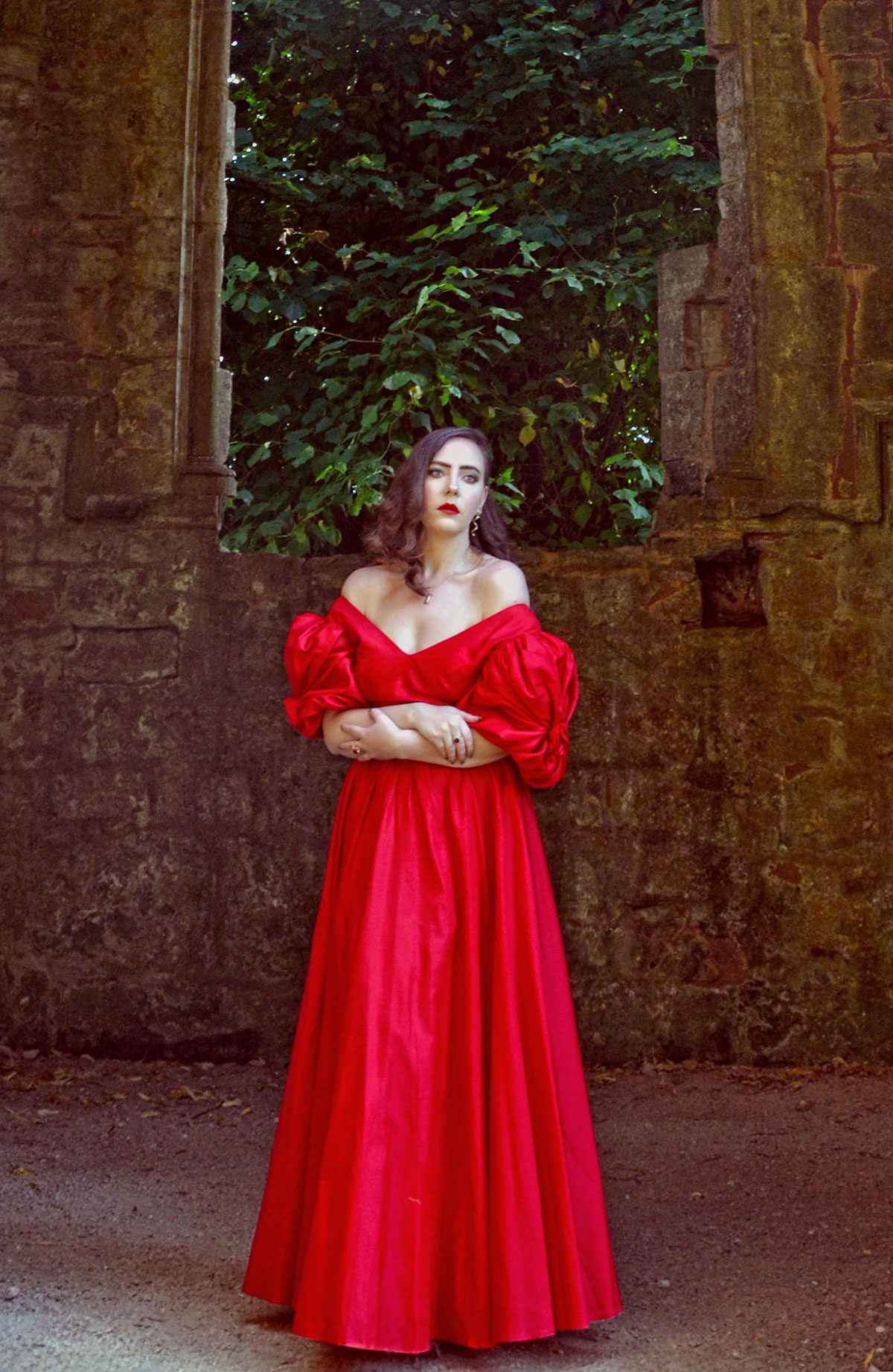
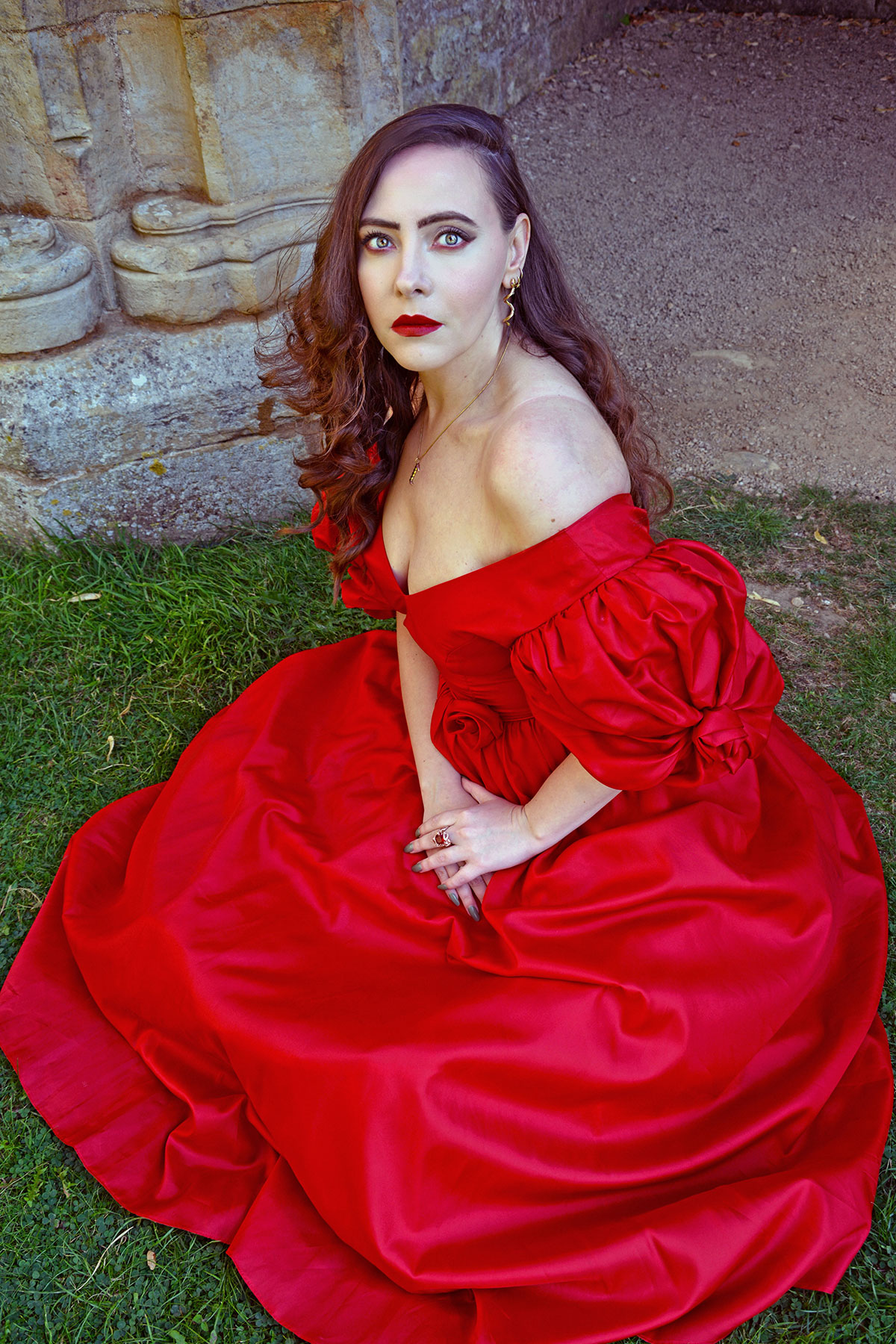
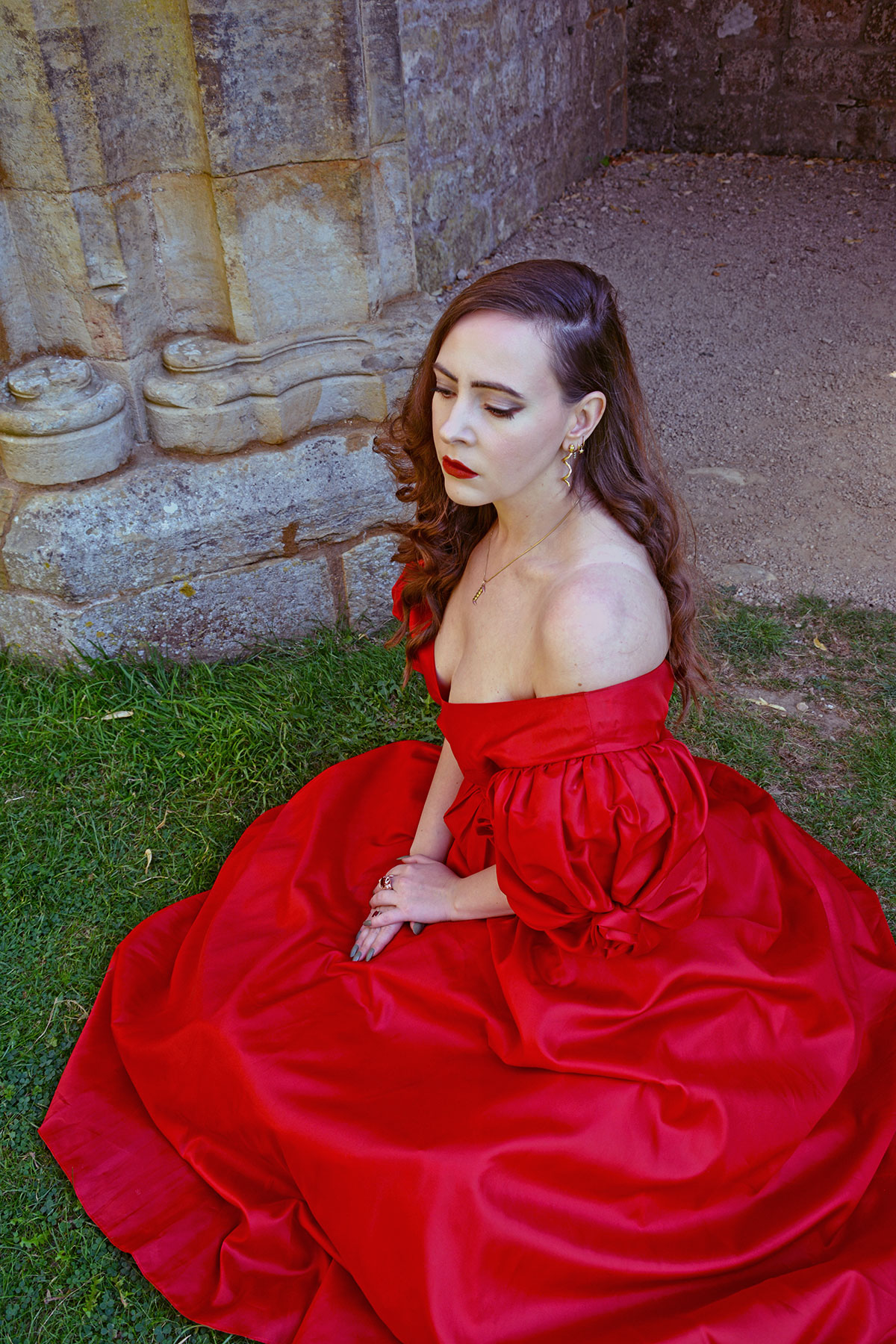
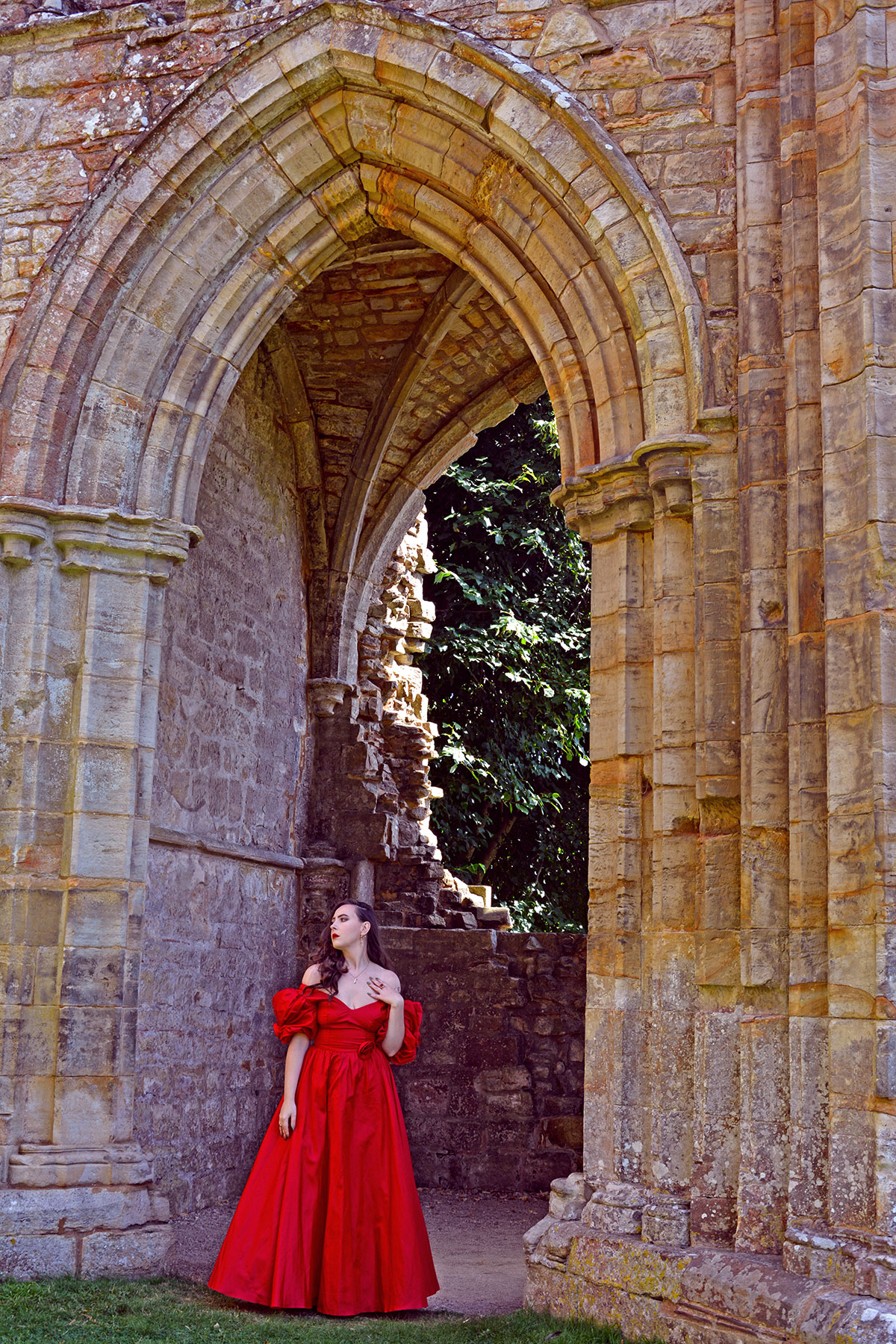
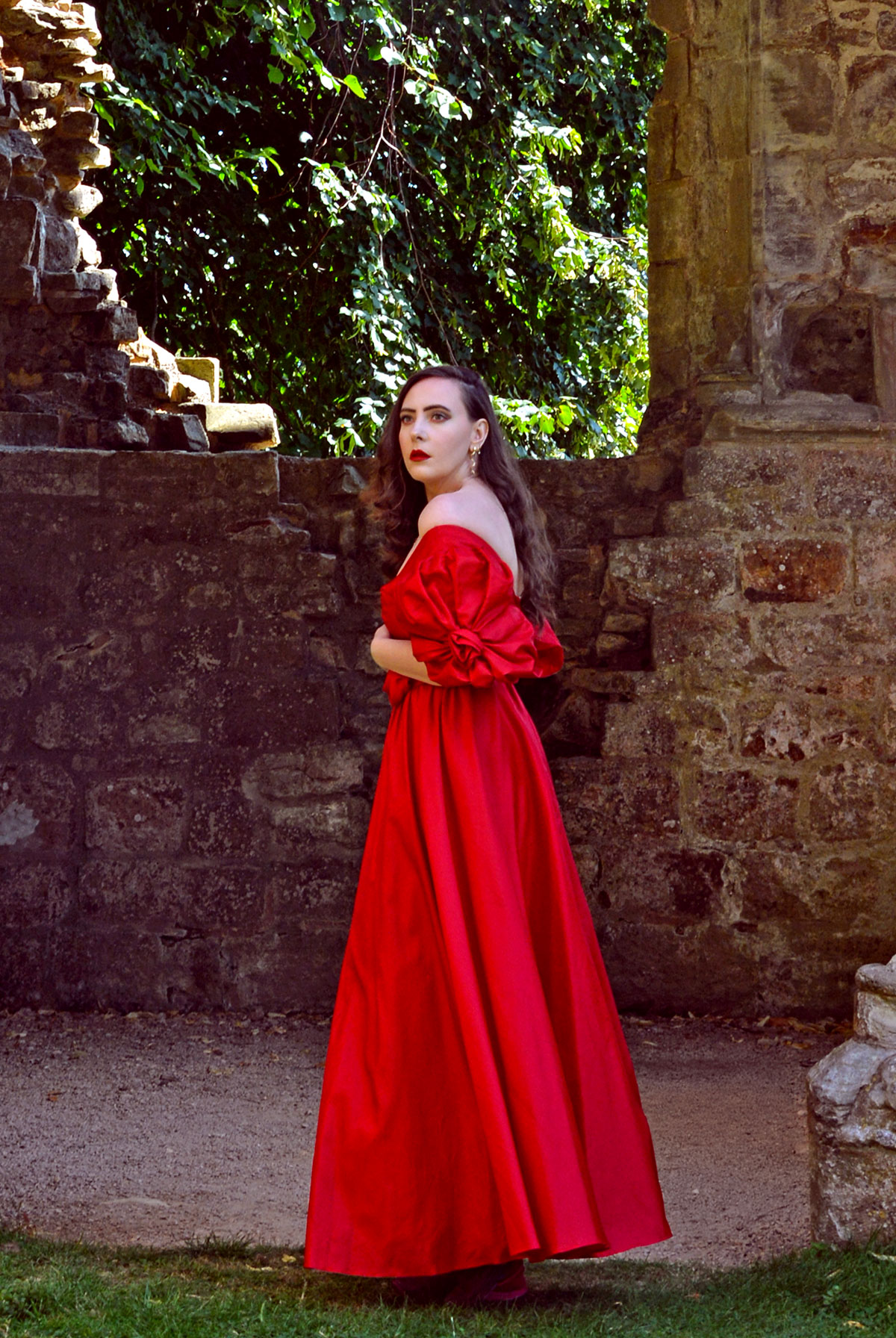
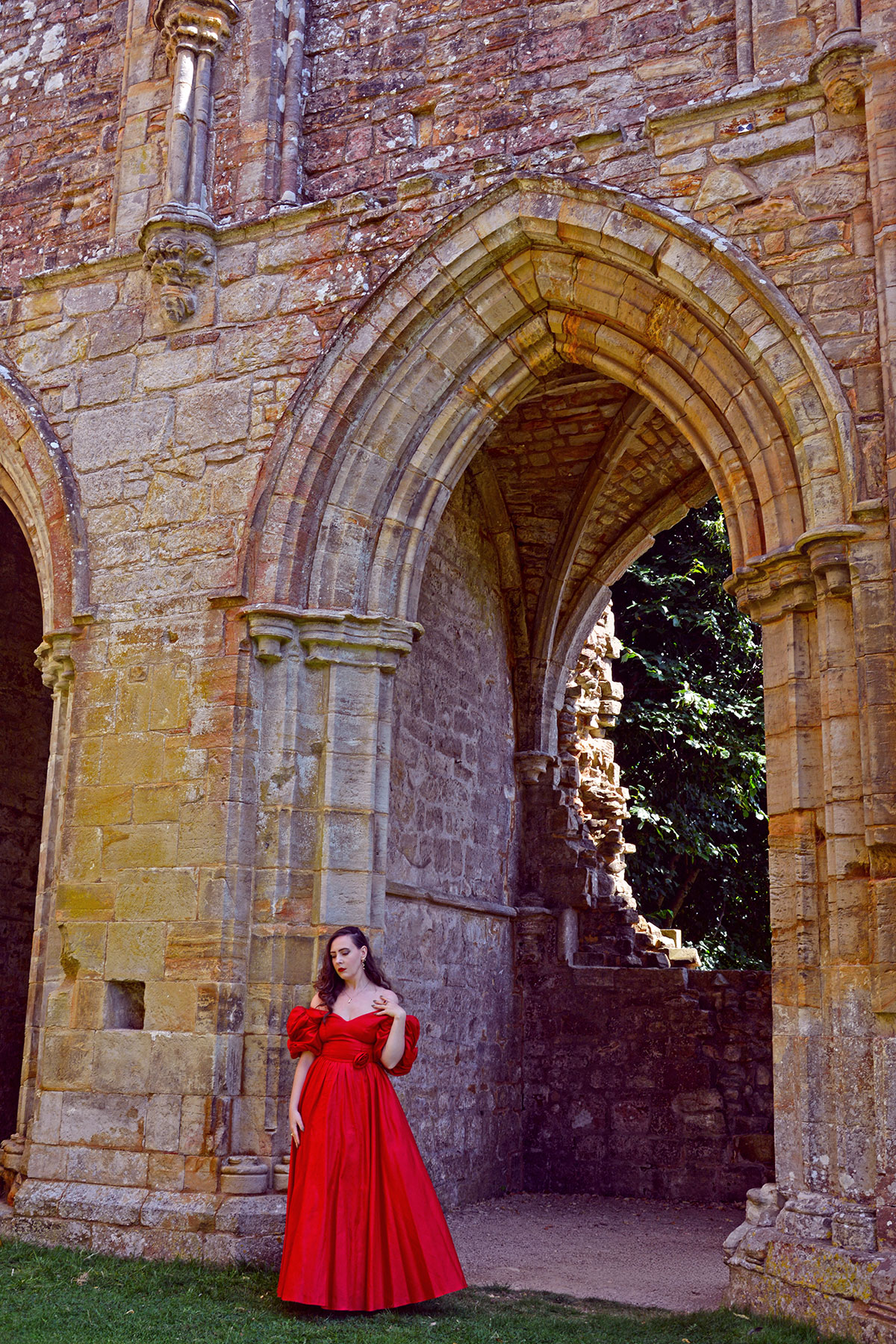
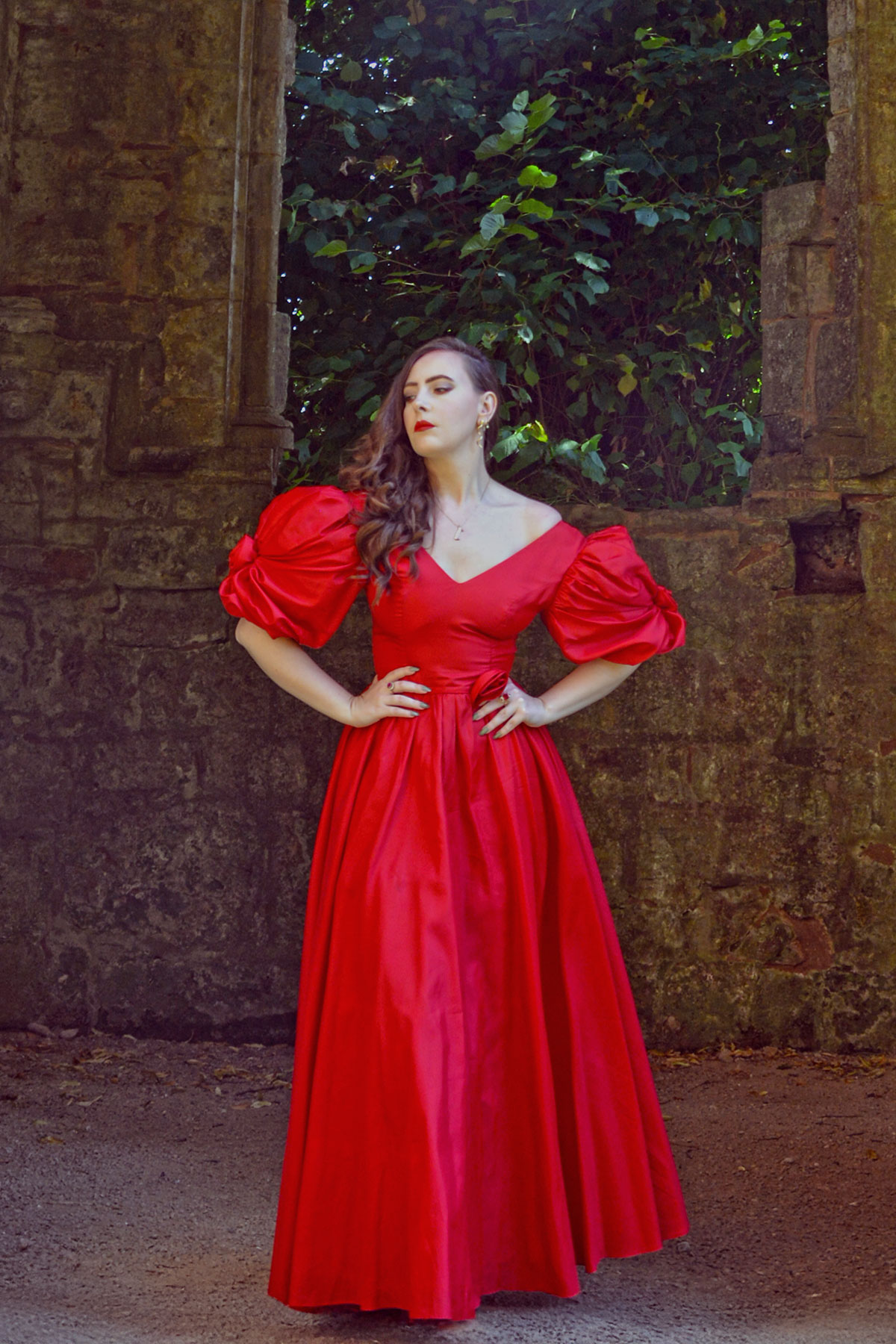
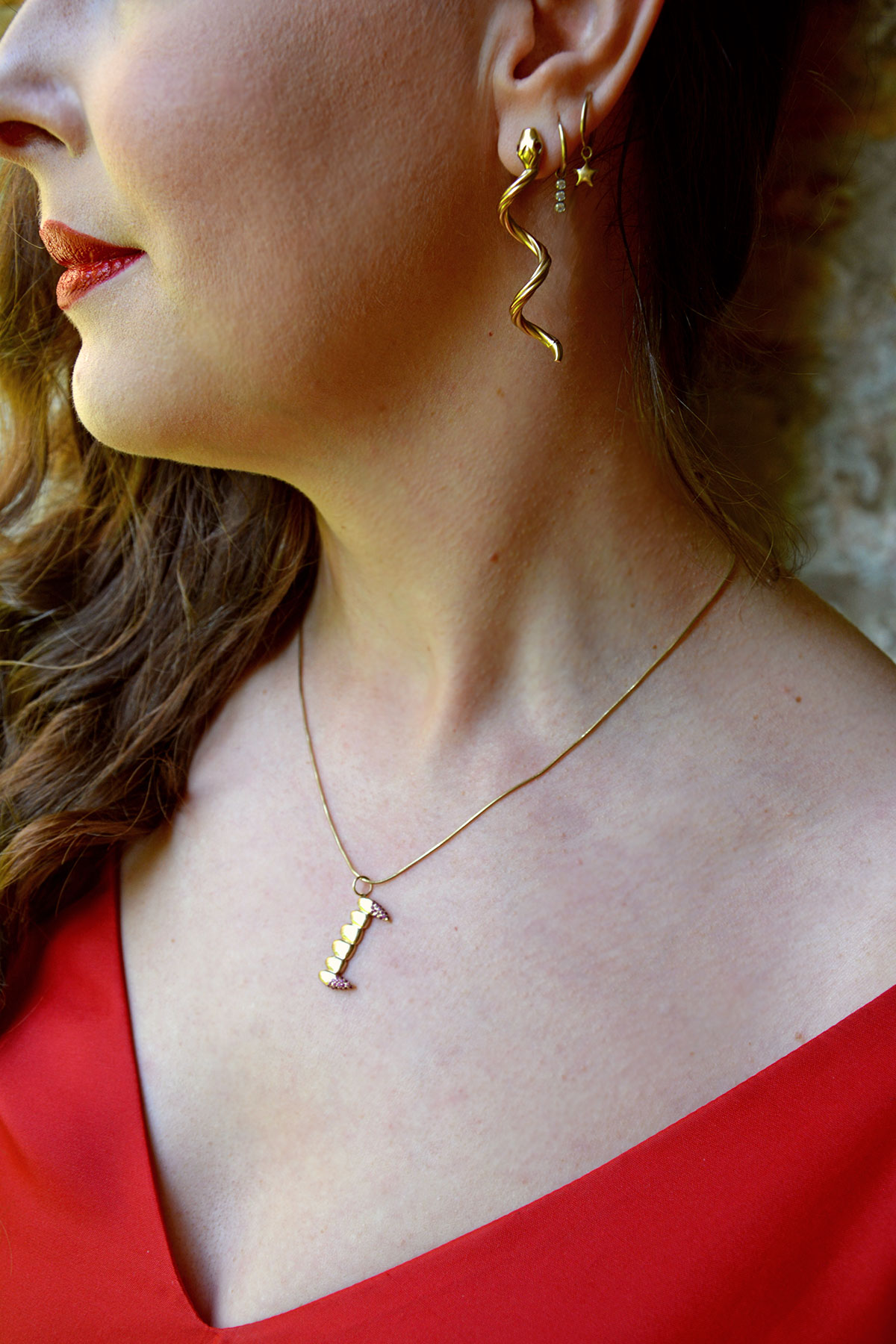
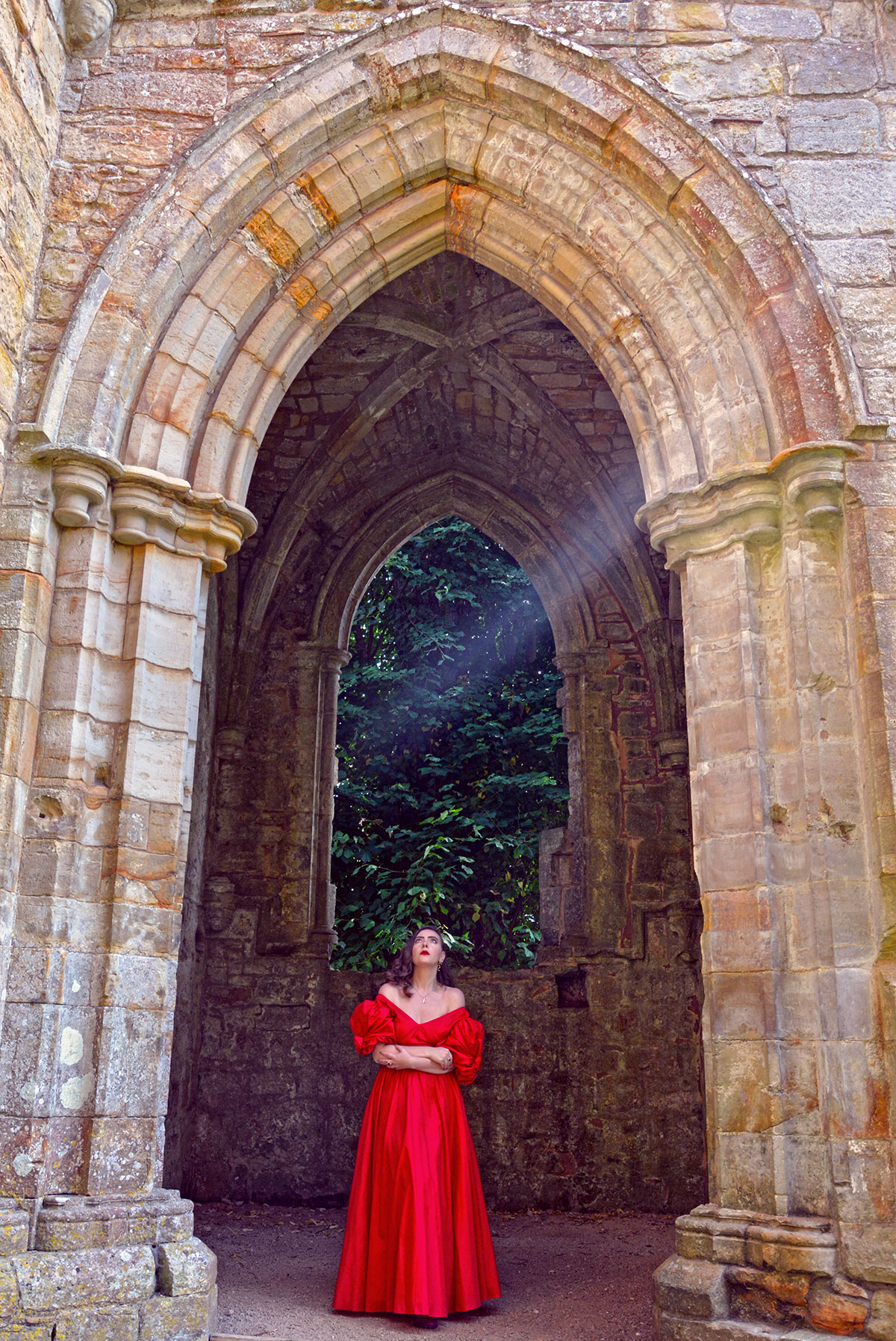
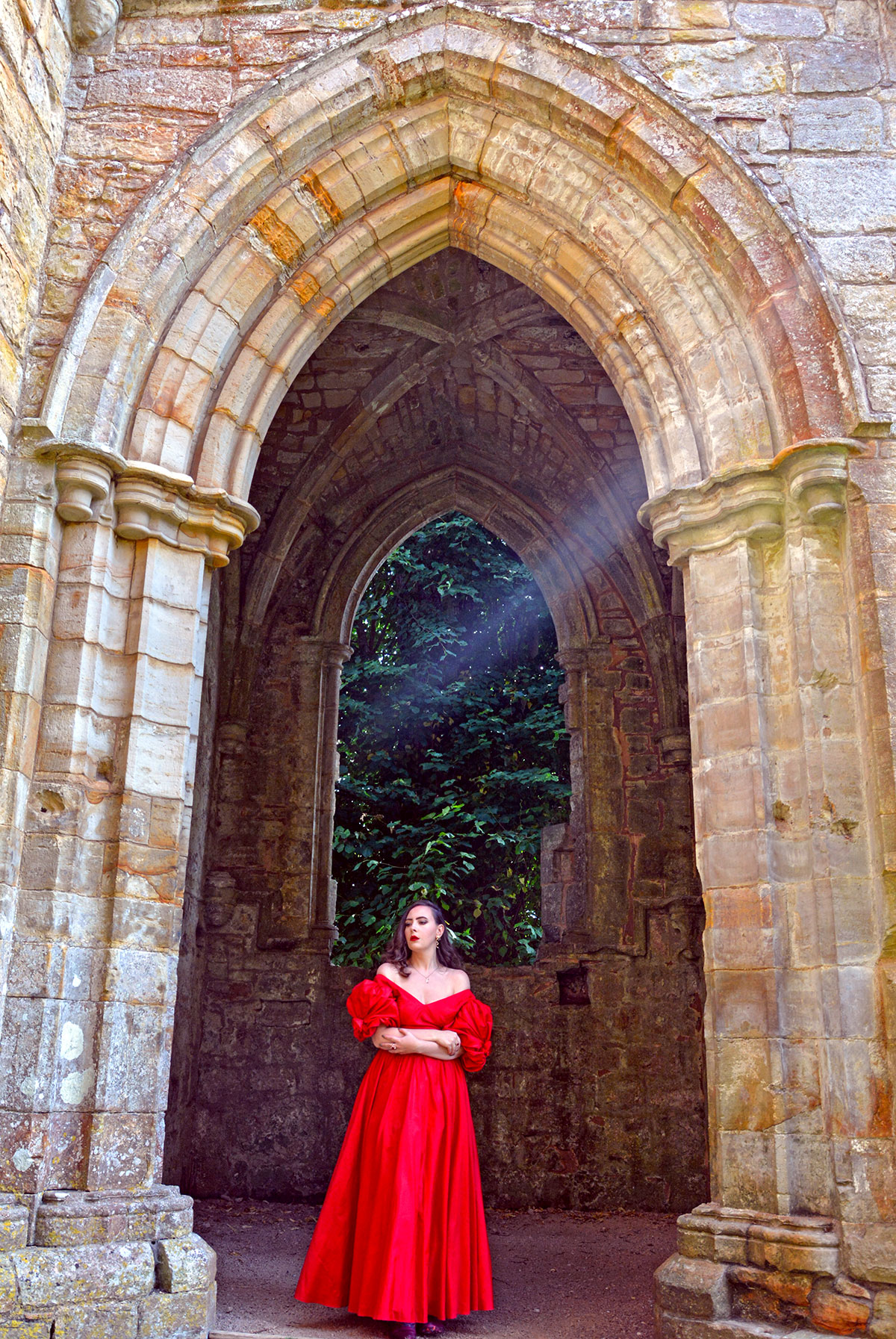
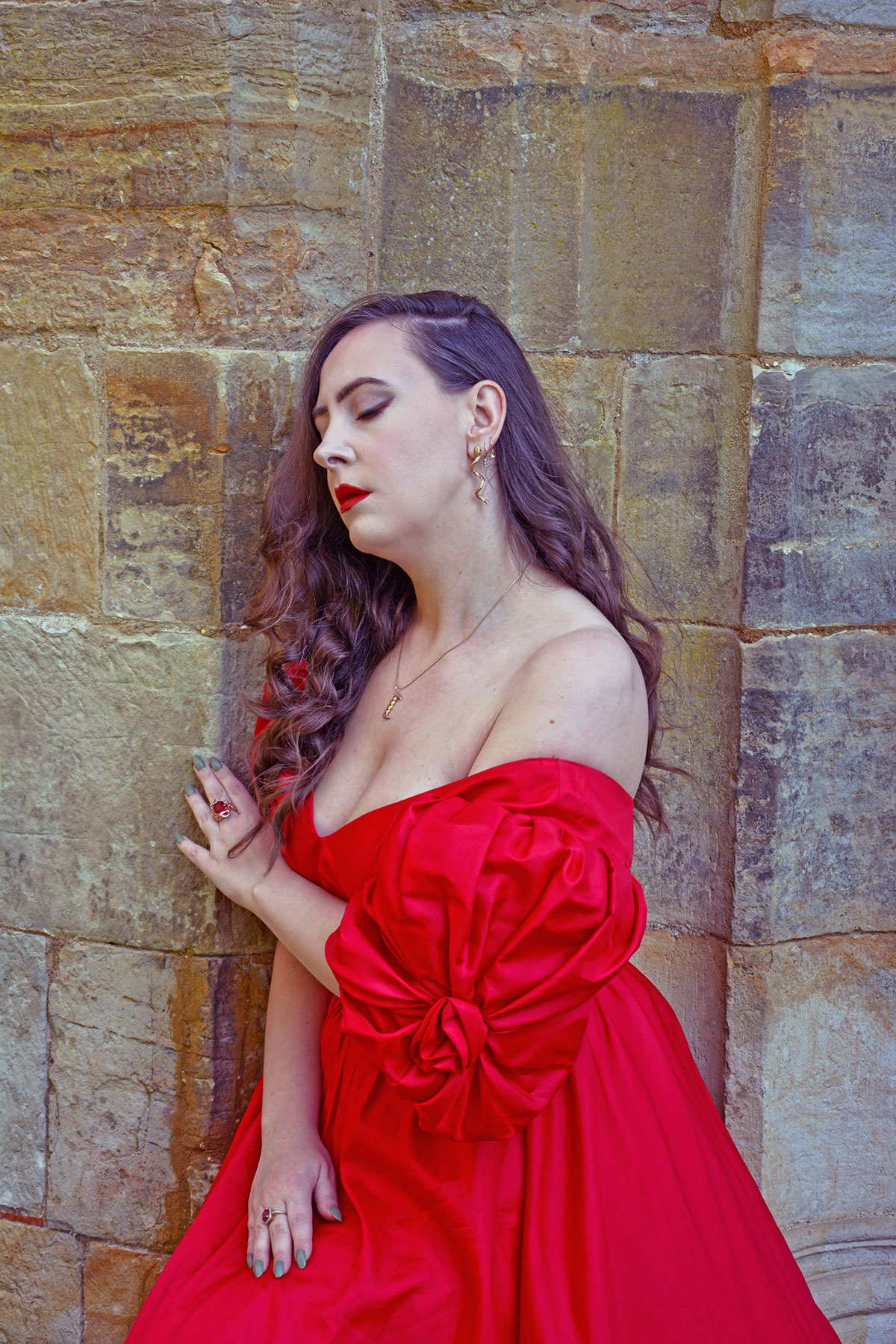
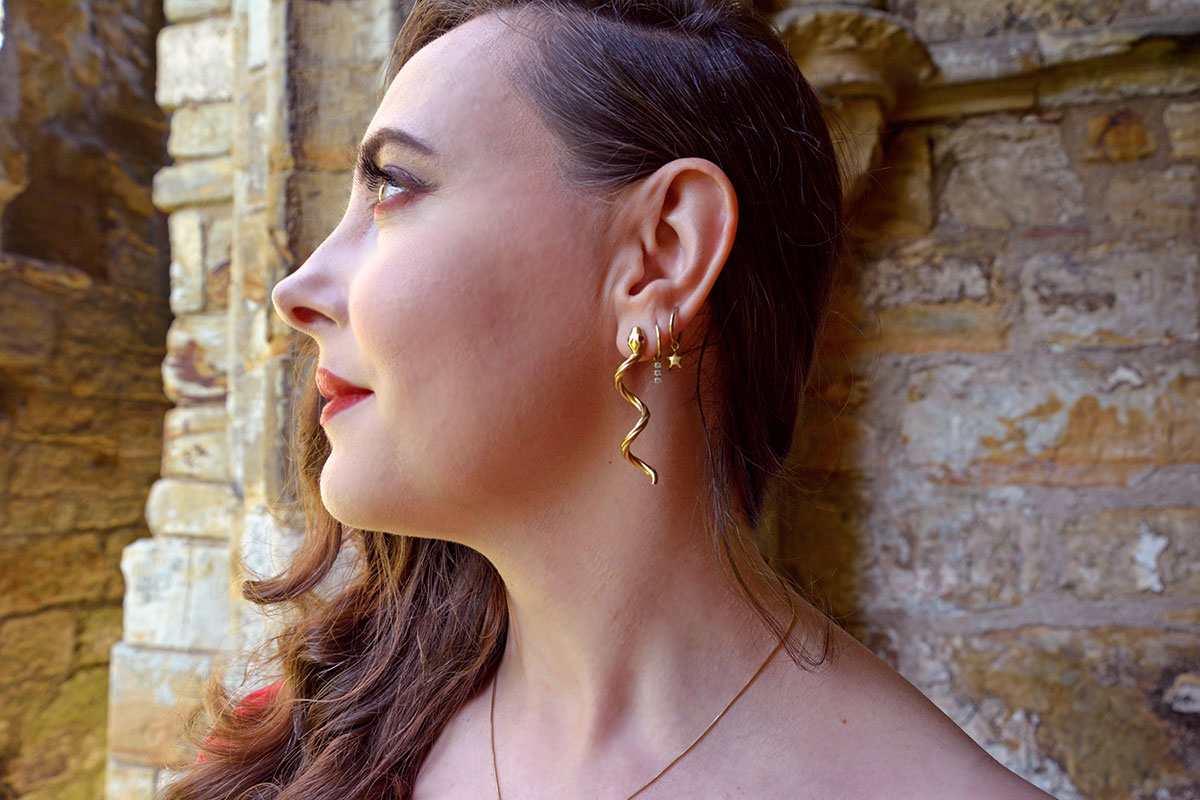
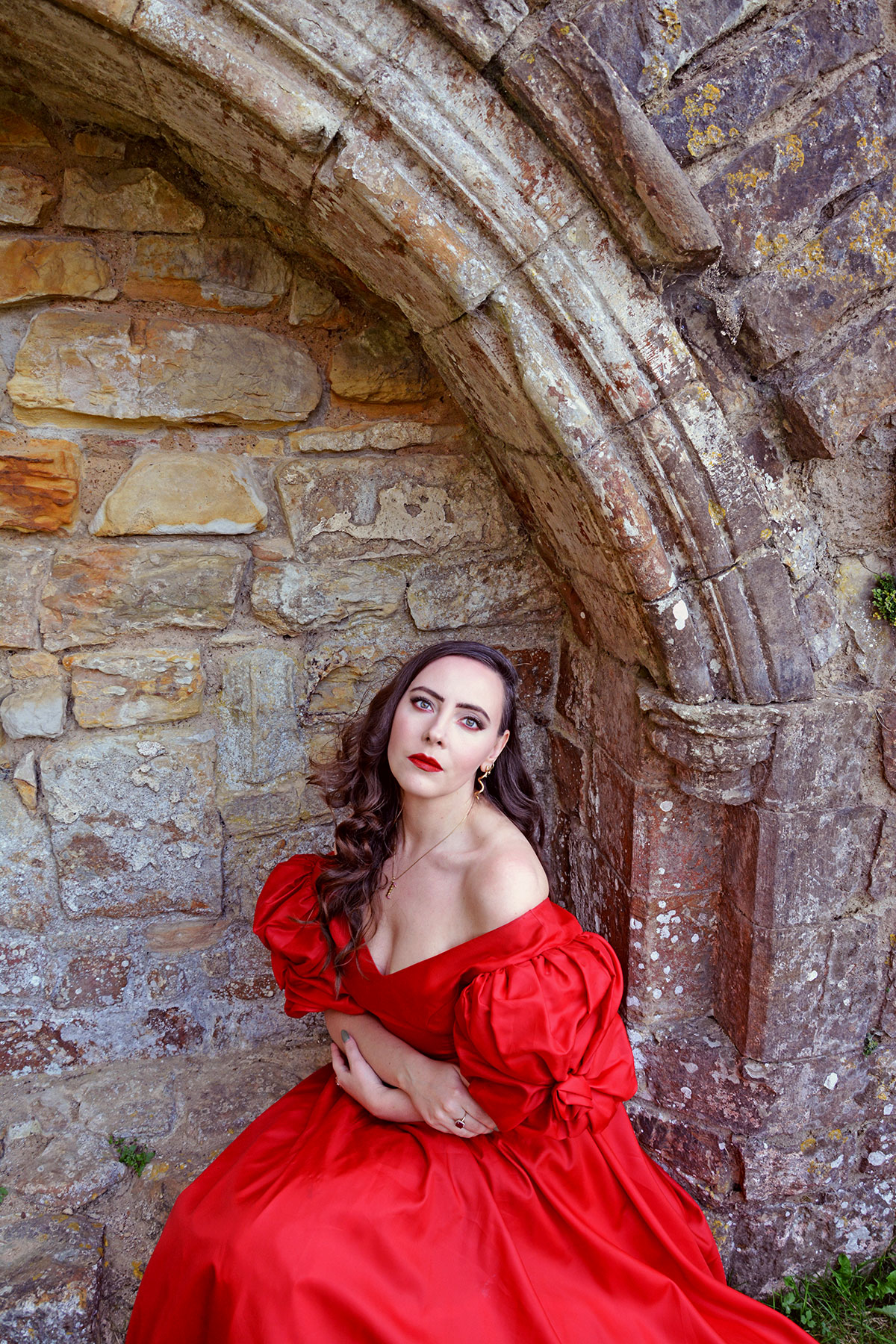
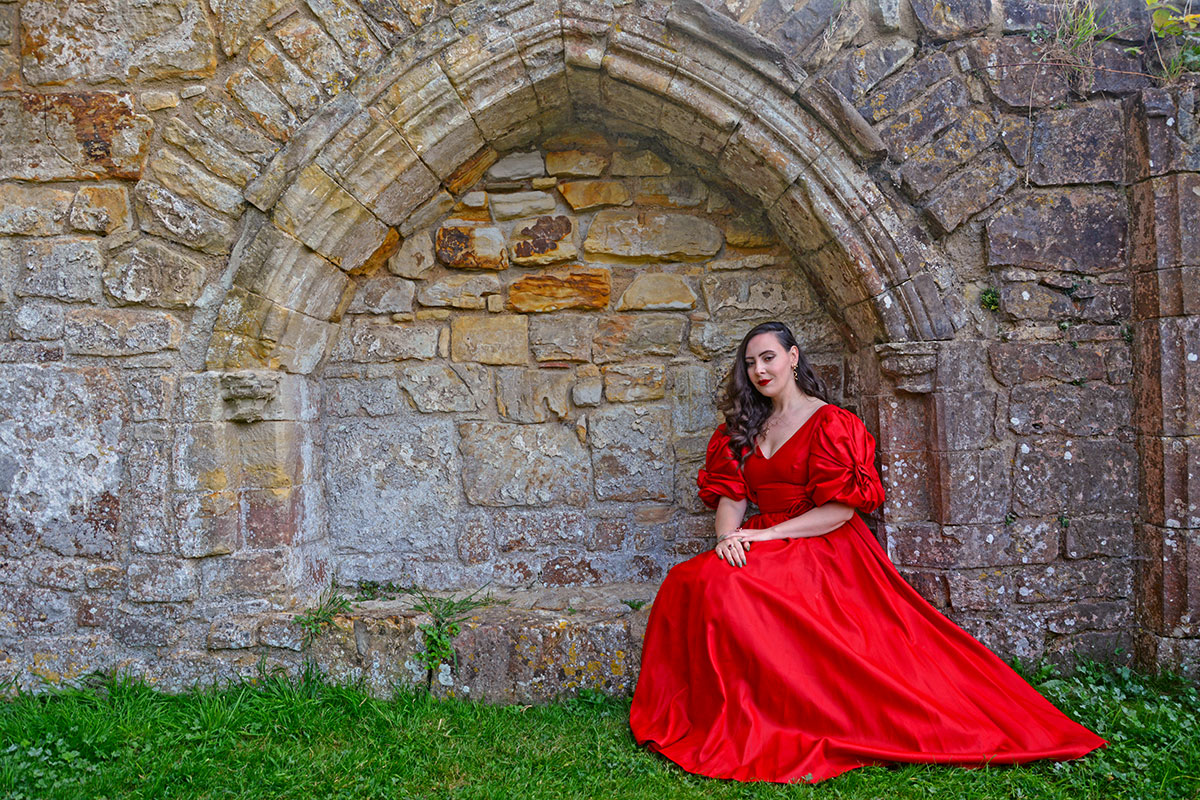
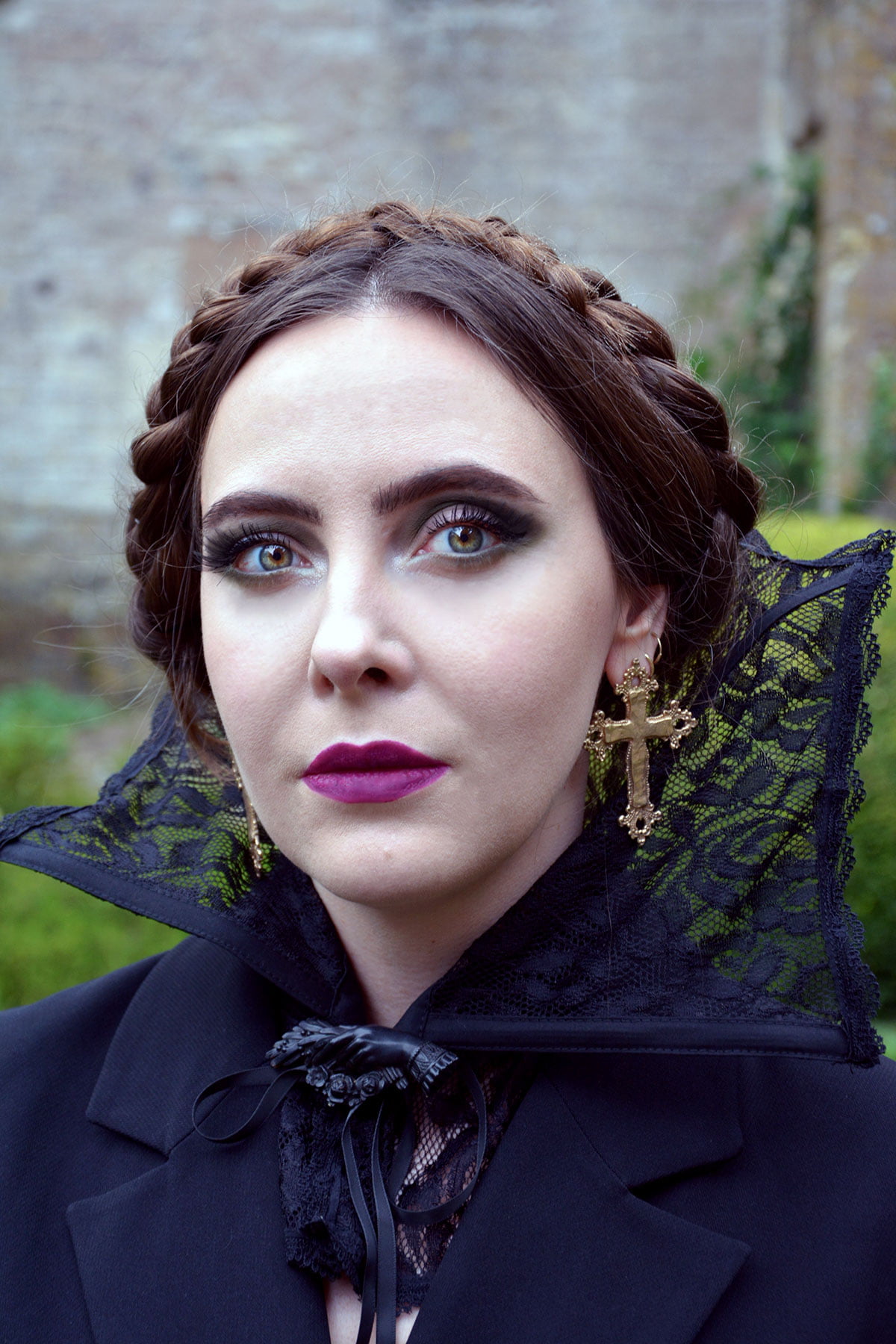
I am wearing a 14kt gold vampire fang pendant with rubies that I designed. It was created from melted scrap gold that I collected over the years. A perfect vampiric look when walking through the grounds of a fallen abbey.


One Response
Myths and legends and sparkly jewels? My kind of post