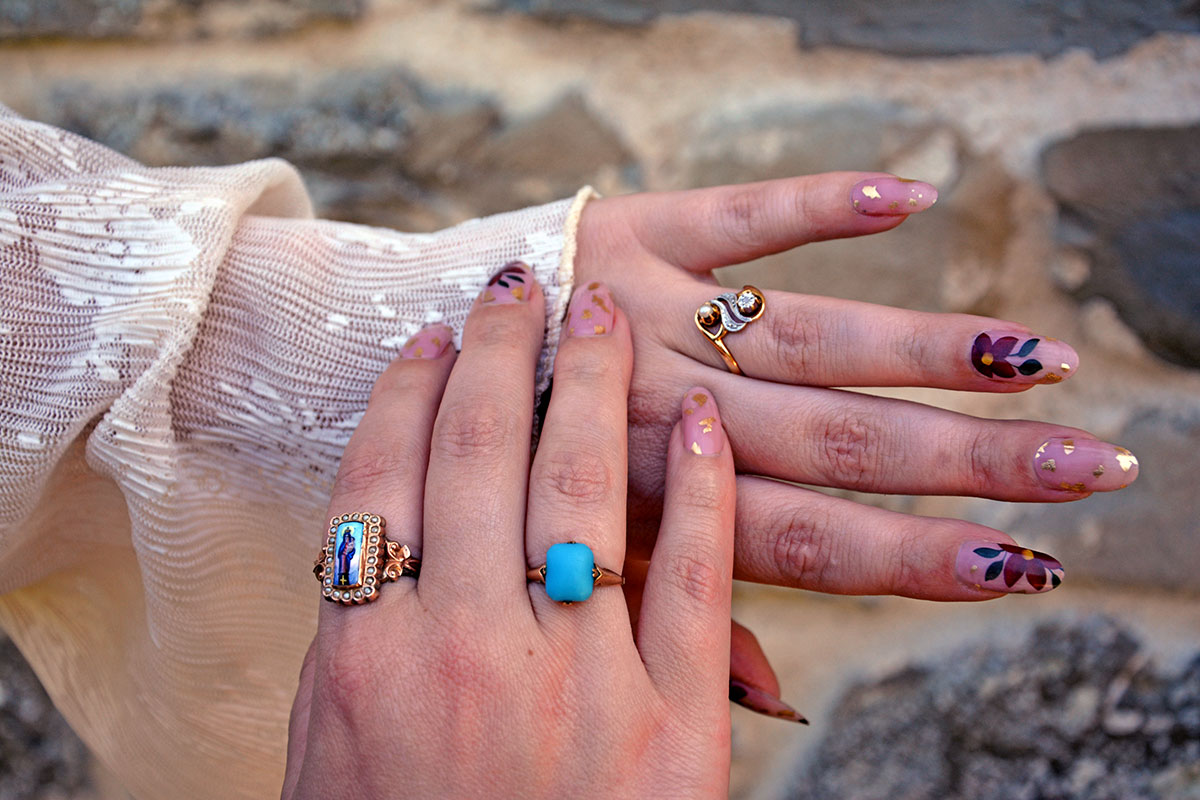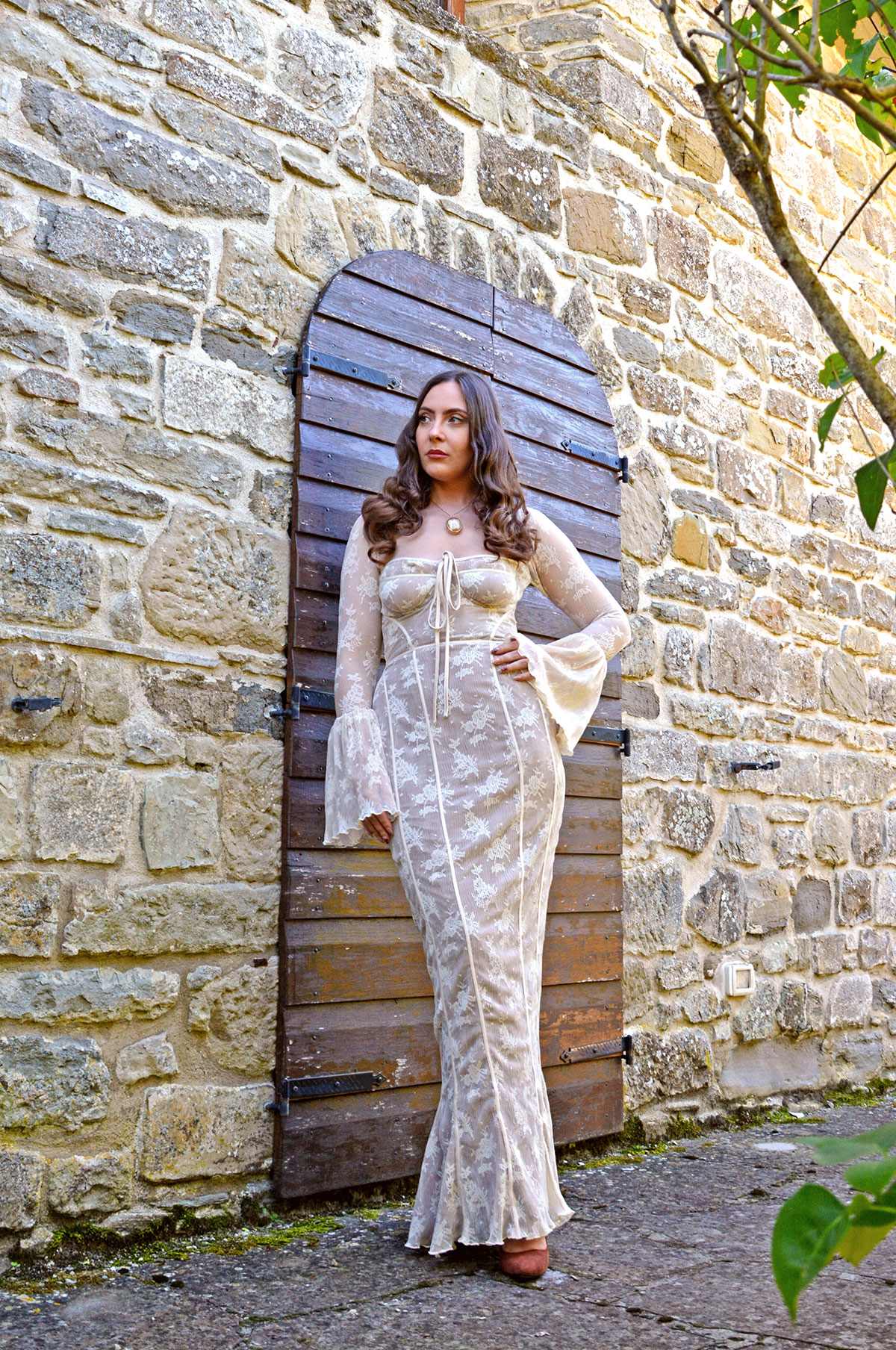
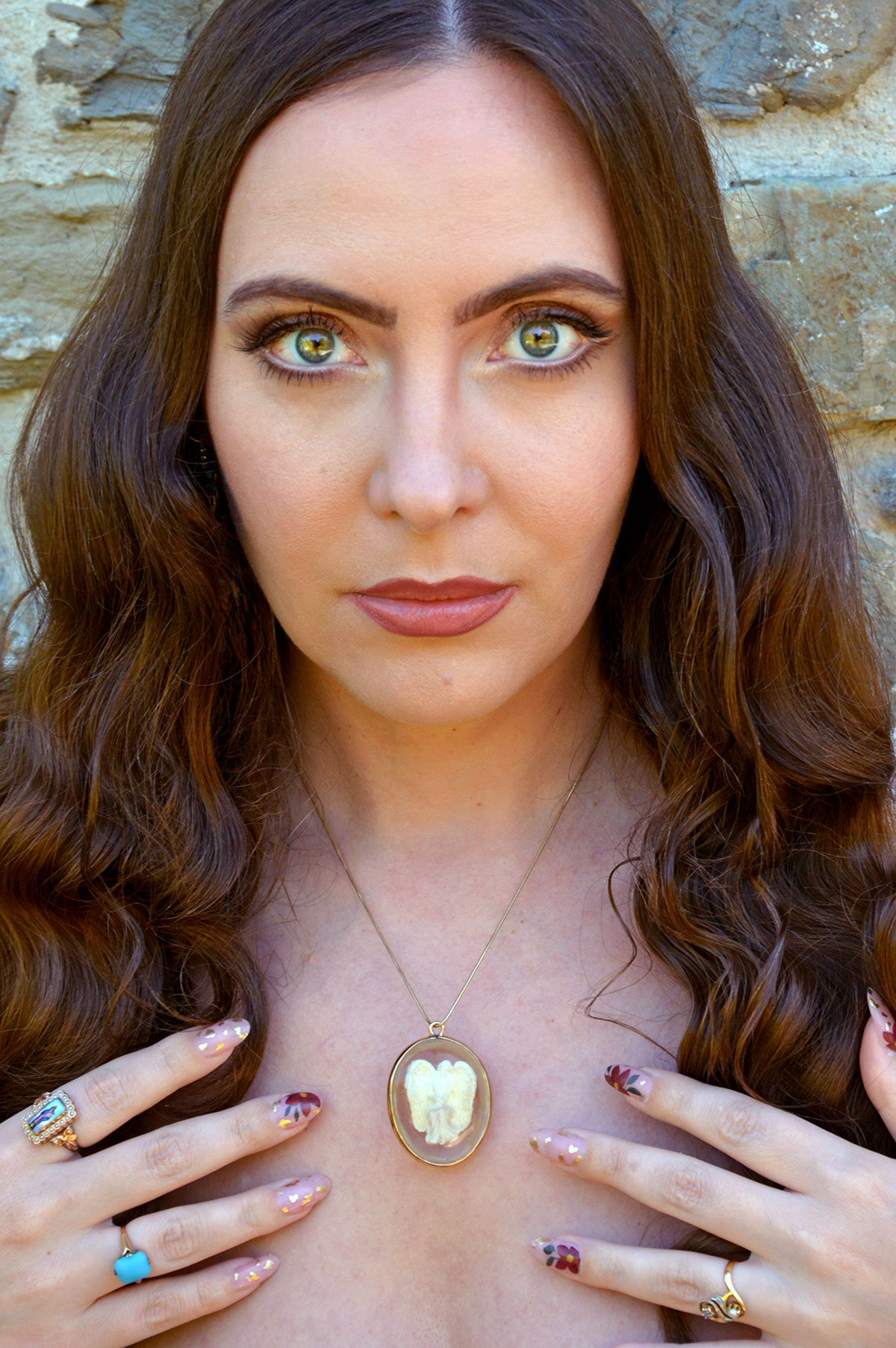
In centuries past, jewels were worn by the living, but they also served as bridges to the beyond. They connected souls across both realms, the living and the dead, turning grief into something tangible, wearable, even beautiful. If you’ve ever been drawn to angel pendants, lockets with miniature portraits, or mourning pieces that carry symbols of death, you’ve already stepped into that world. Welcome to the story of exploring afterlife symbols in antique jewellery.
Why symbols of death became desirable in antique jewellery?
In an age when death was a constant companion due to relatively poor healthcare and medicine, for the Georgian, Victorian, and early Edwardian eras especially, mourning became an art form. The Victorians in particular didn’t shy away from death; they dressed for it. You can read more about mourning jewellery here.
Essentially, mourning jewellery wasn’t seen as taboo. It was a declaration of eternal devotion. A promise that memory and beauty could outlast the grave.
These jewels were miniature memorials: Intricate, emotional, and deeply personal. Many were made to hold a lock of hair or engraved with initials, but almost all carried a language of symbols: Messages of hope, rebirth, remembrance, and also curiosity. We still want to know what happens after we die.
Let’s zoom in on the language of life after death in antique jewellery.
How do afterlife symbols in antique jewellery look like?
Angels: Guardians between worlds (some chubby)
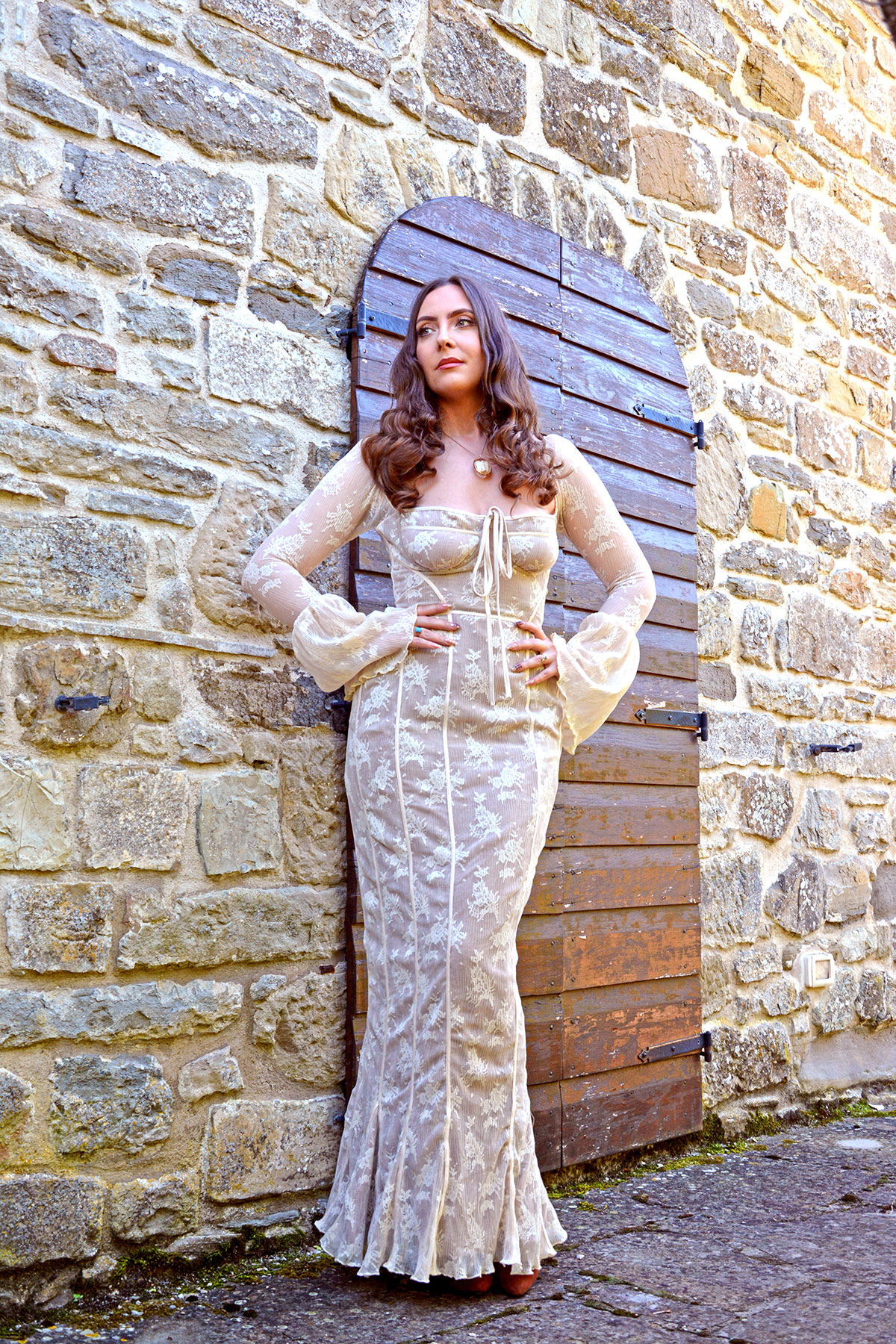
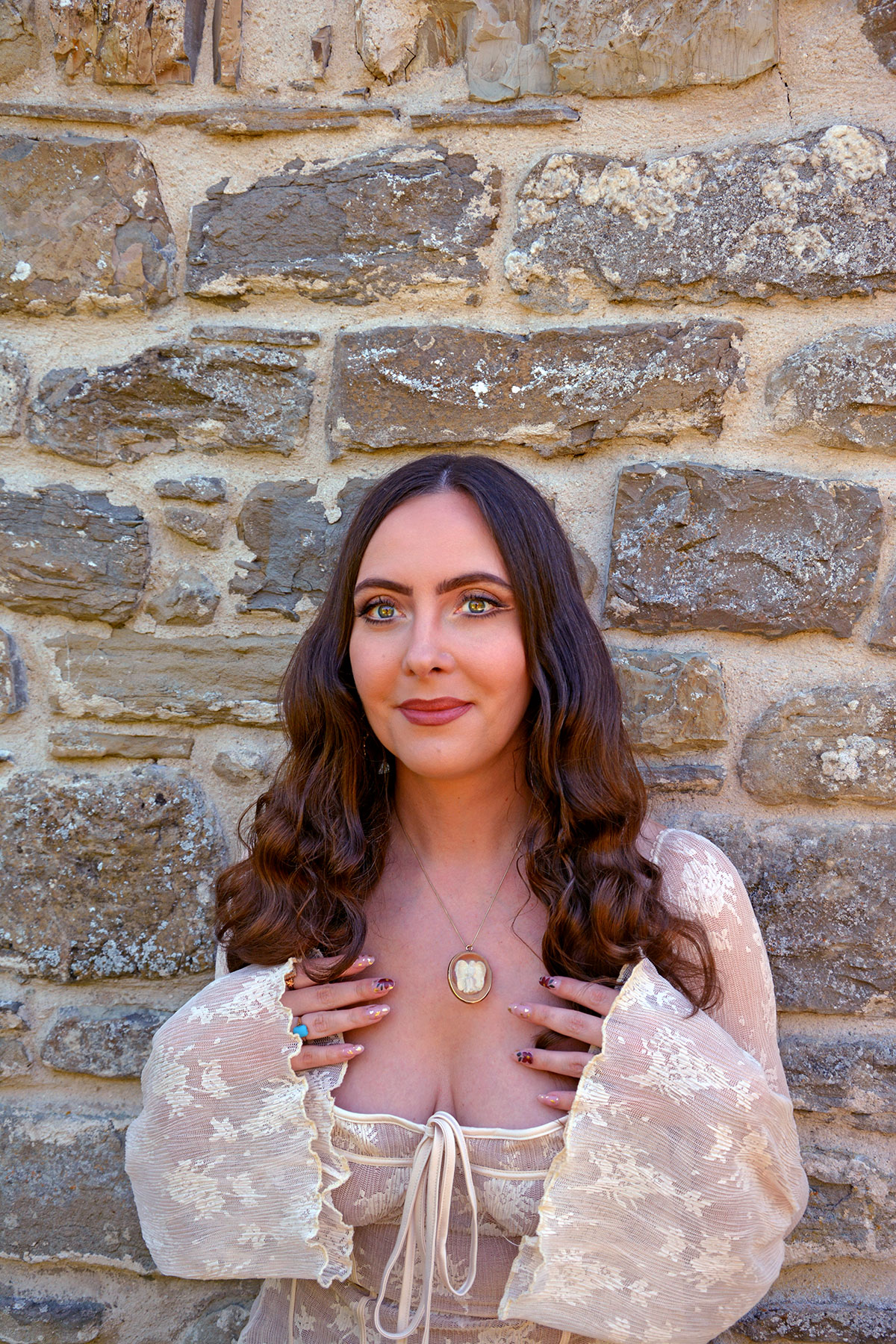
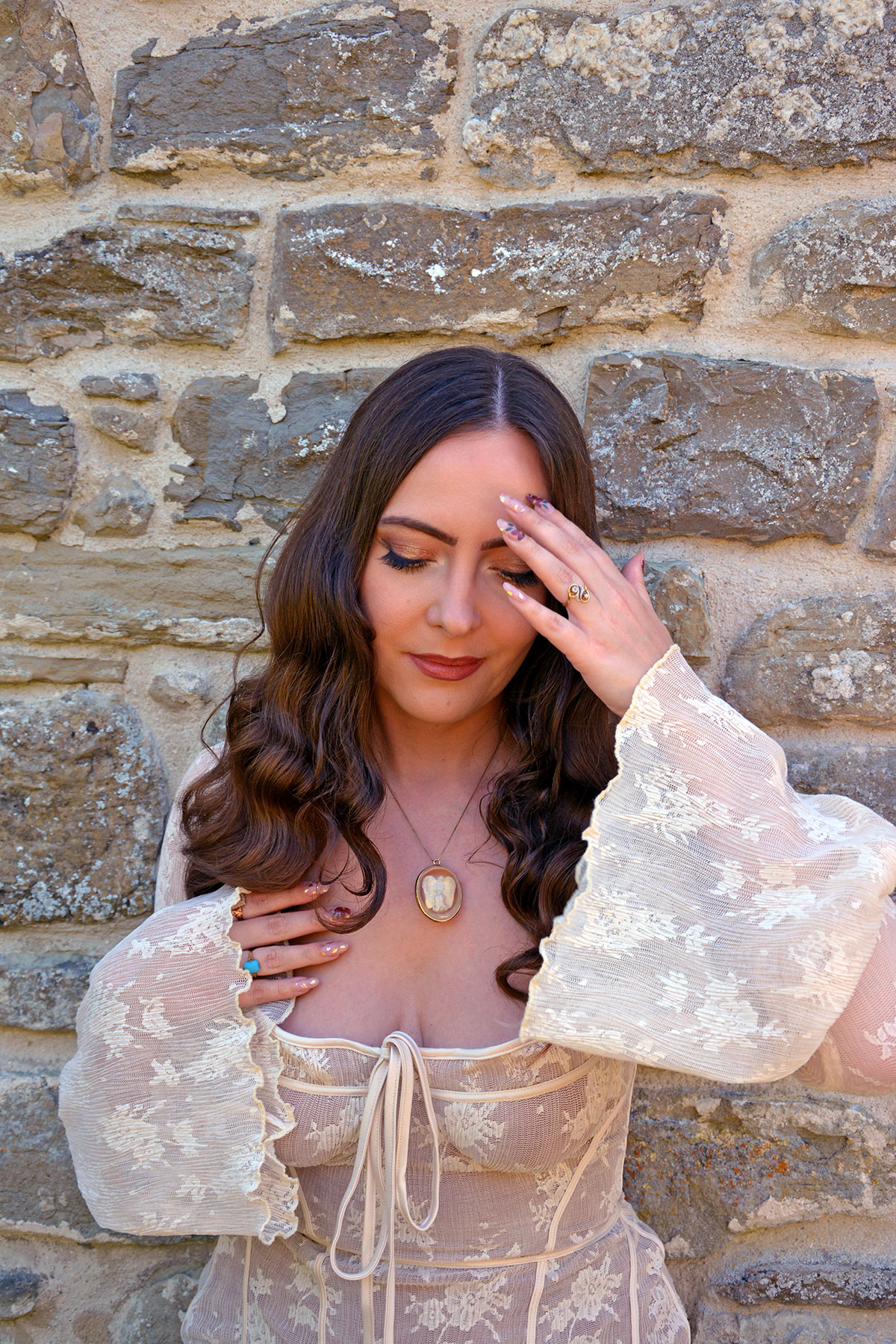
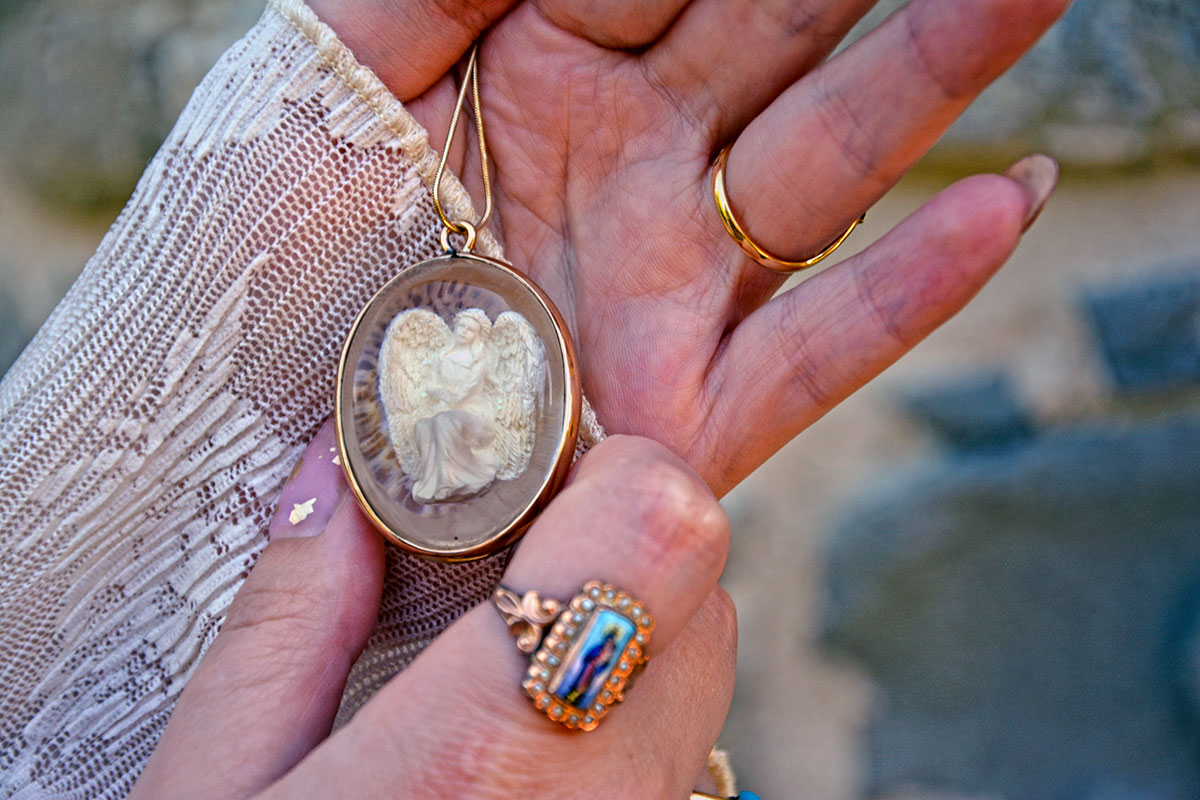
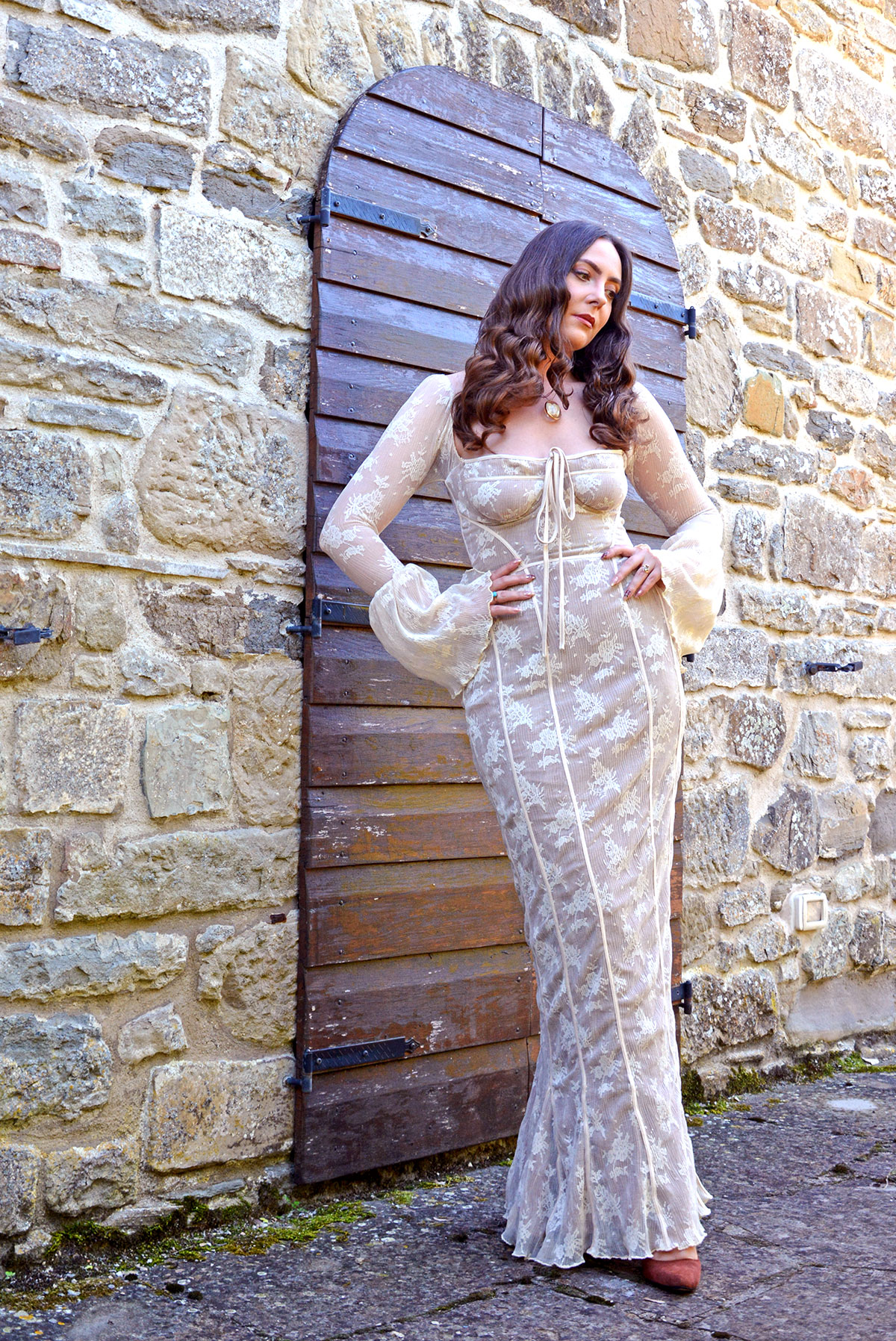
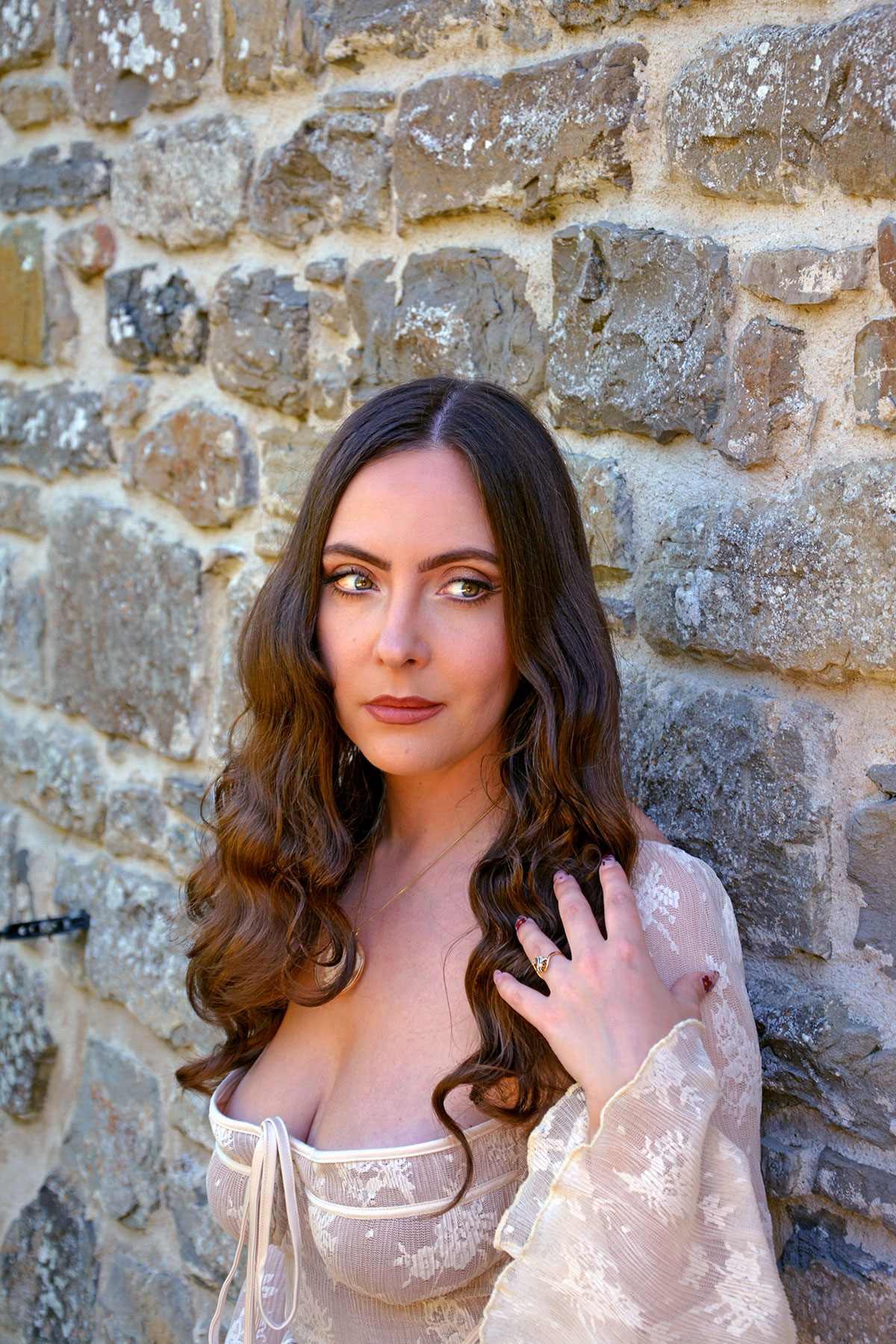
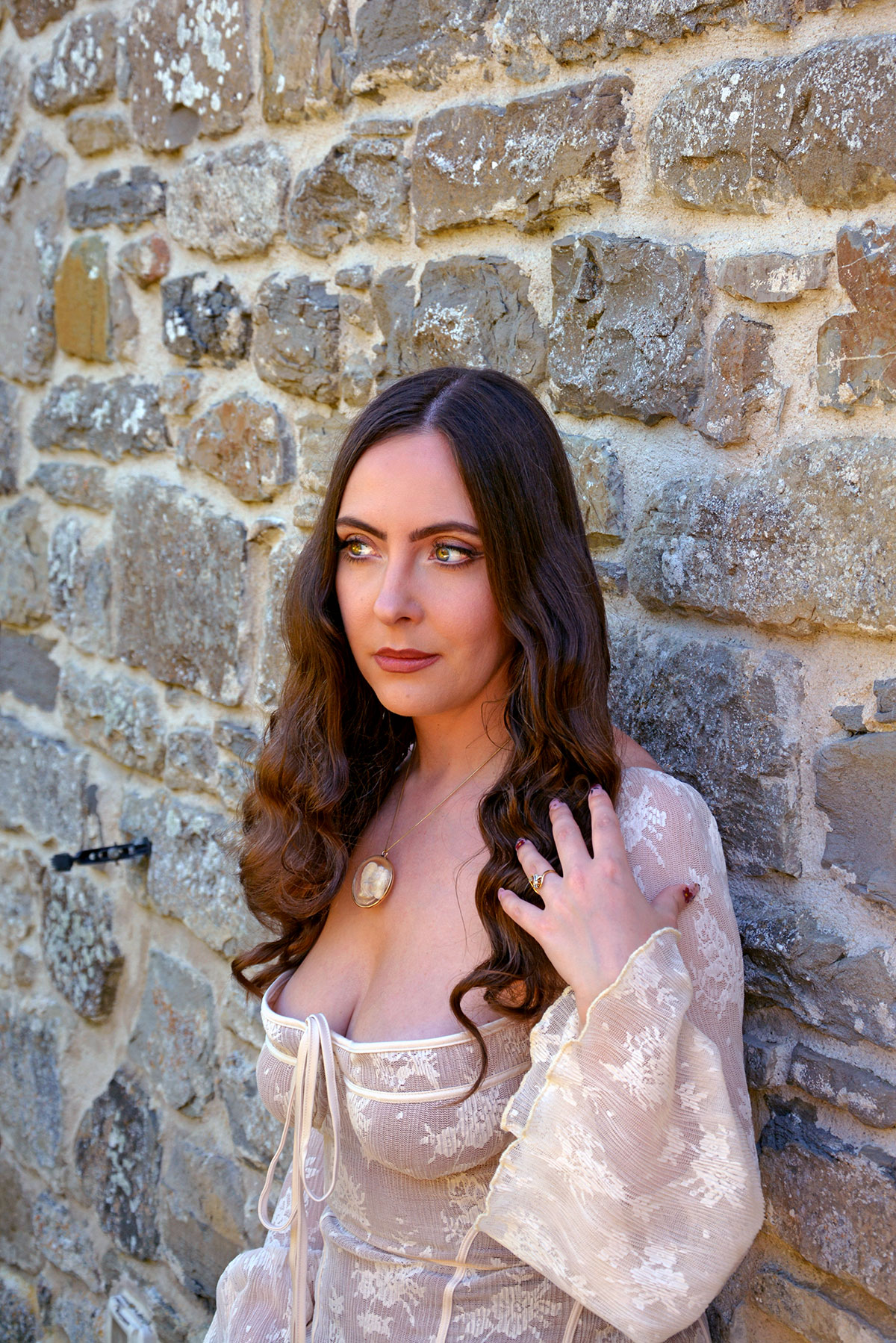
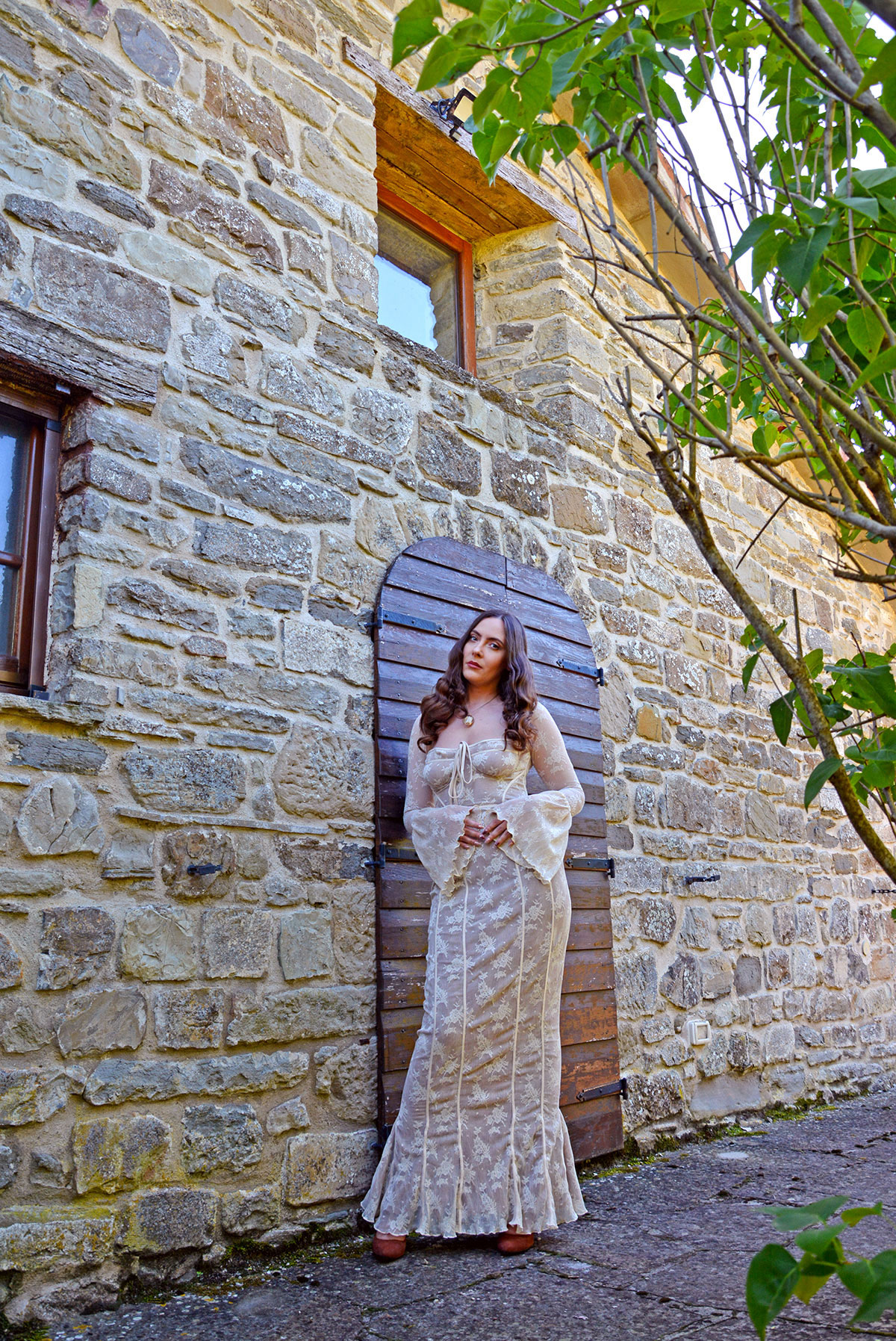
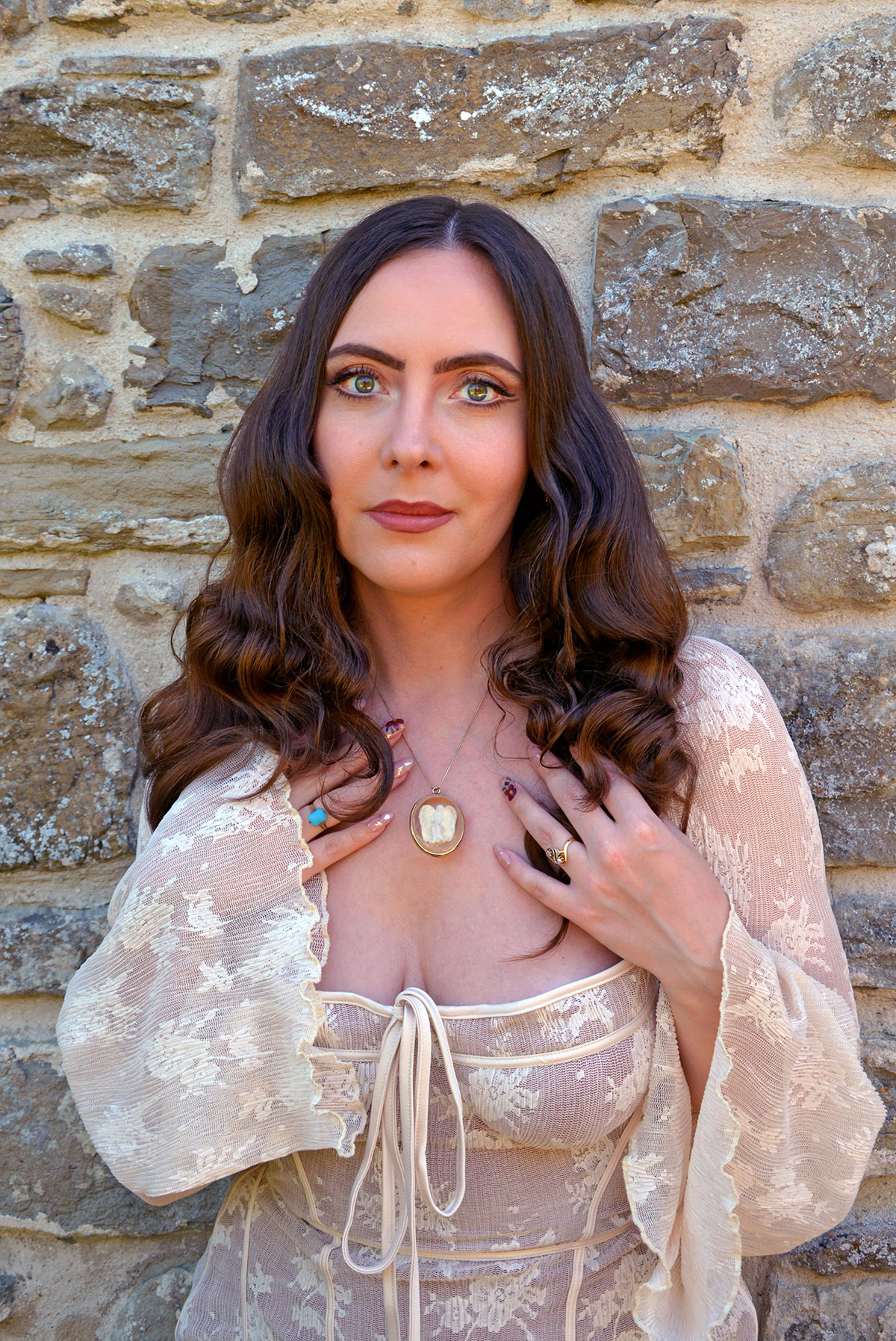
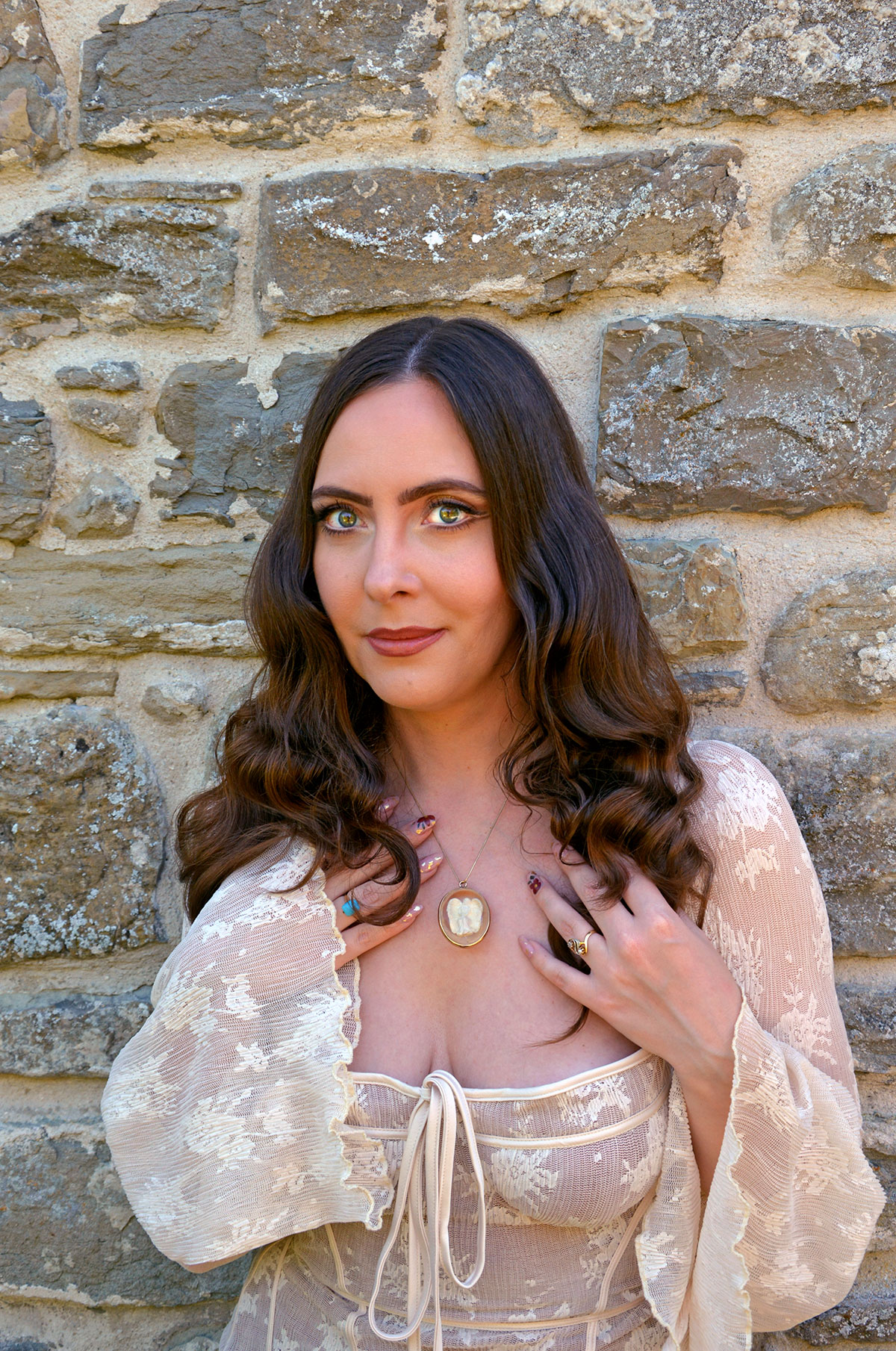
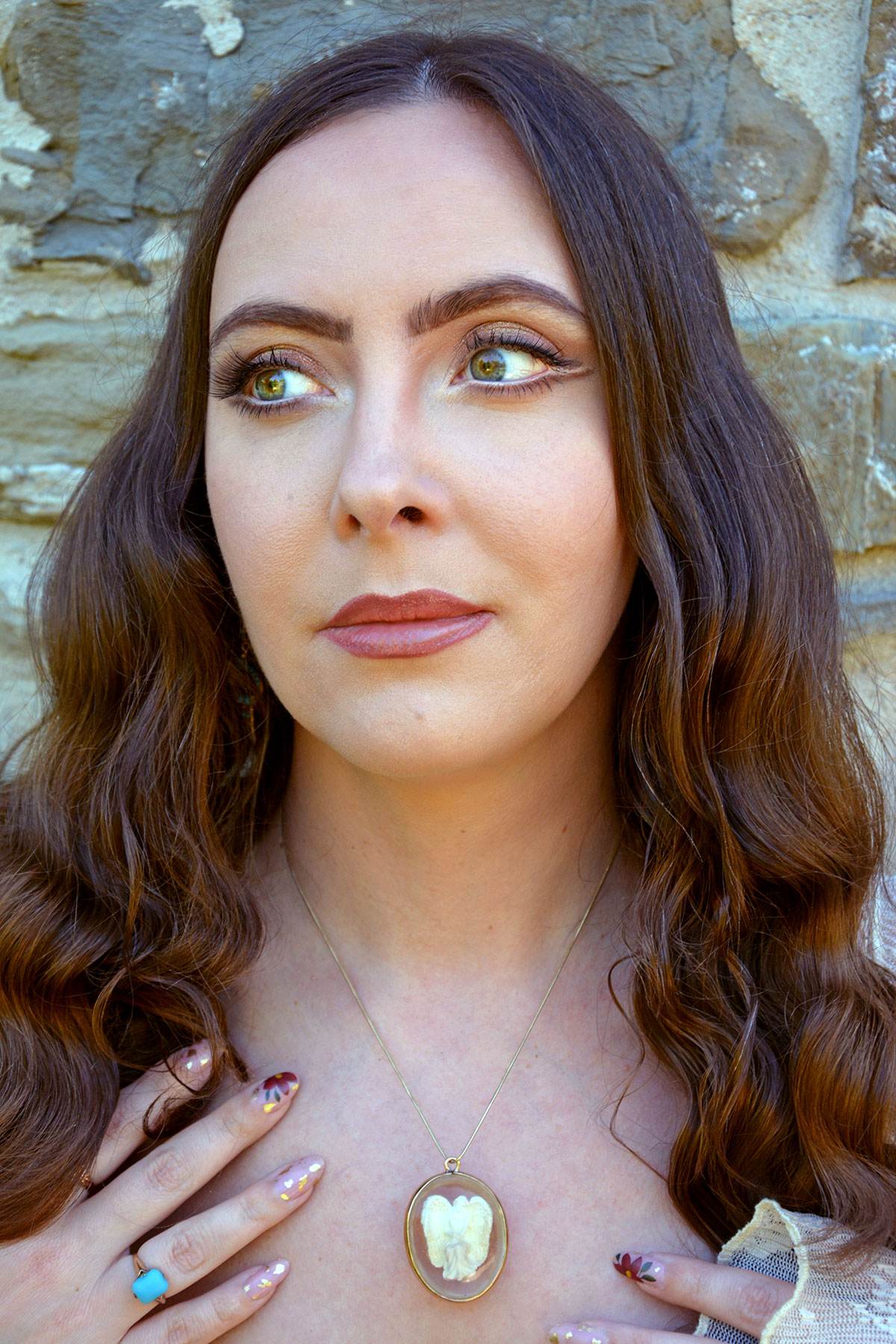
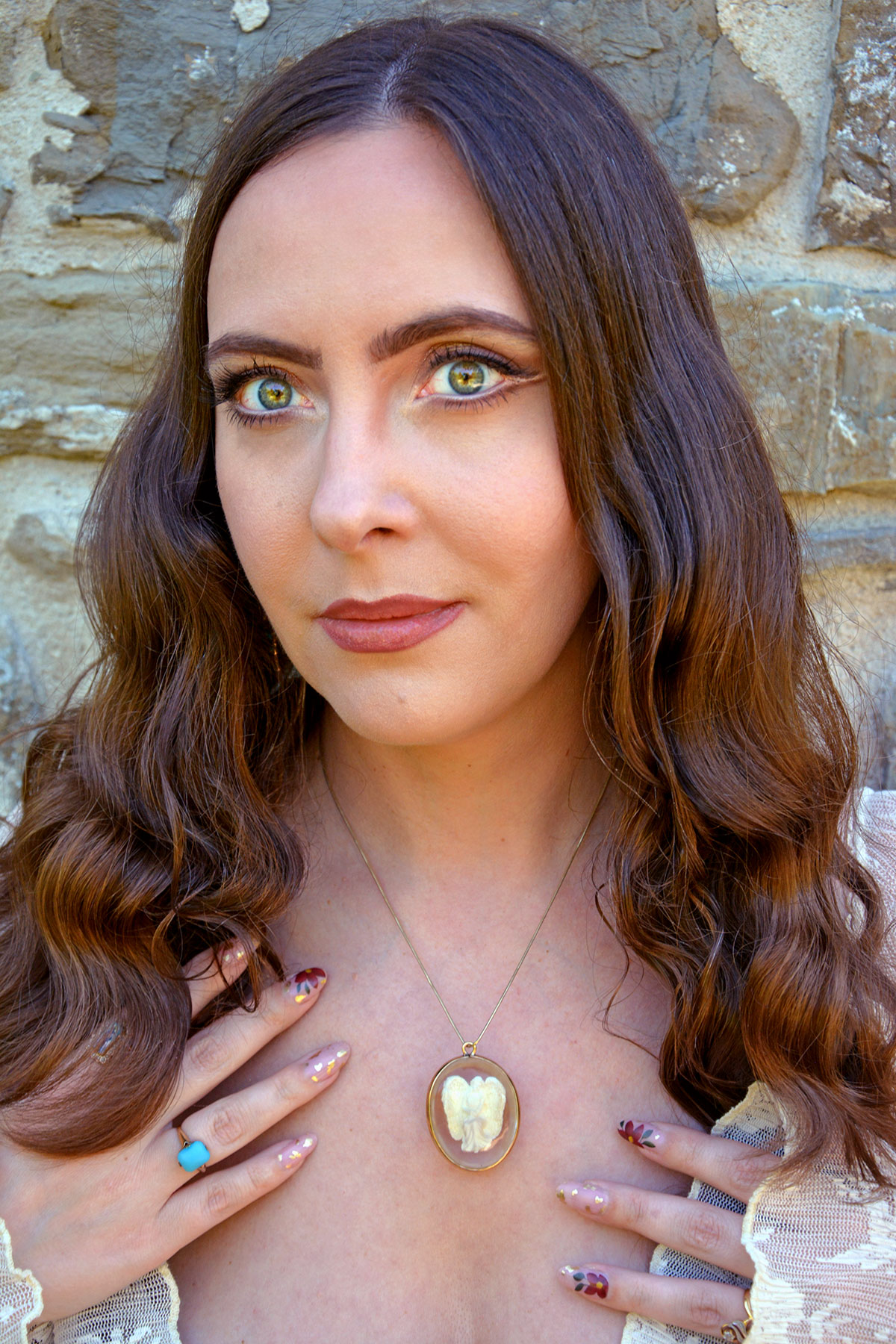
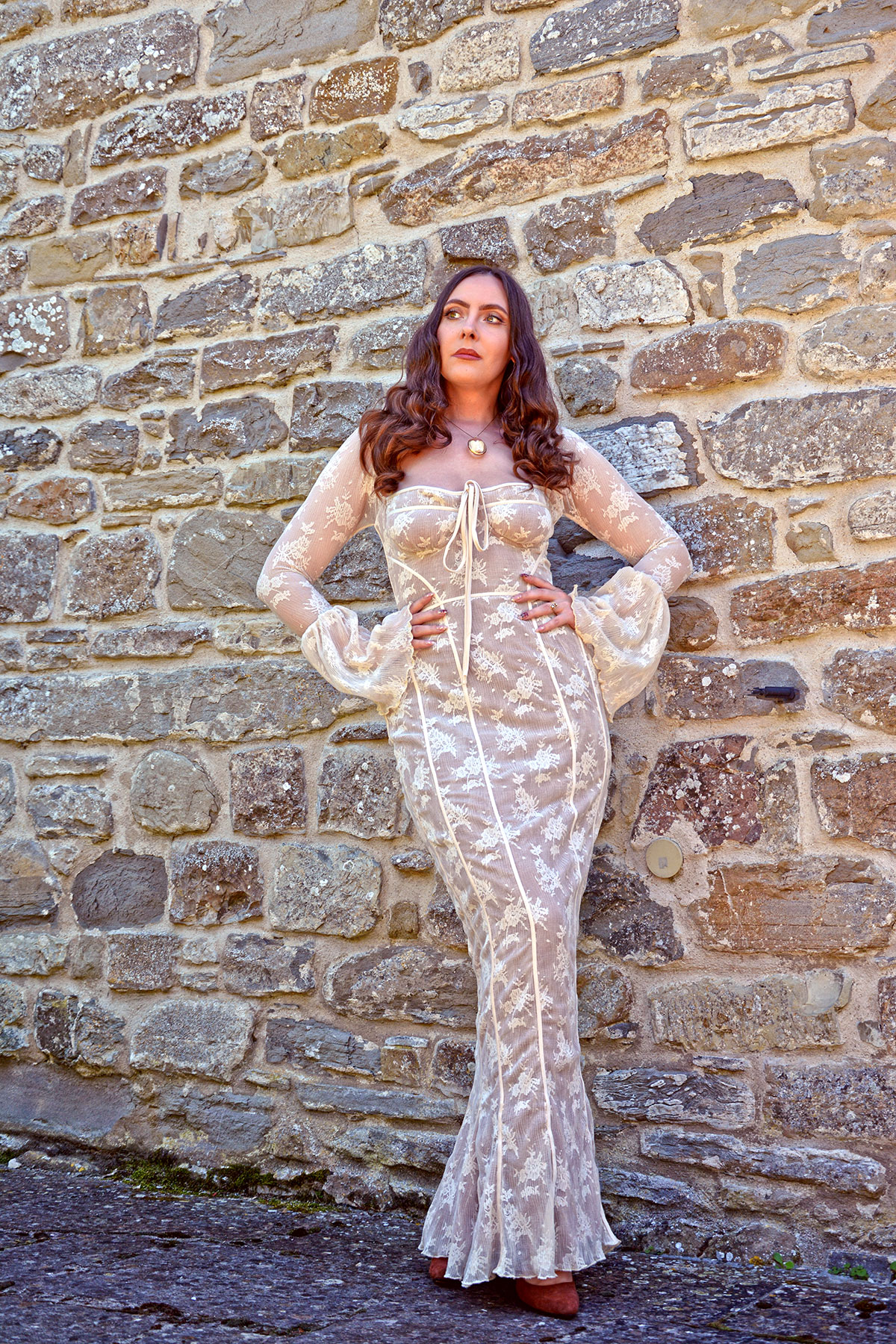
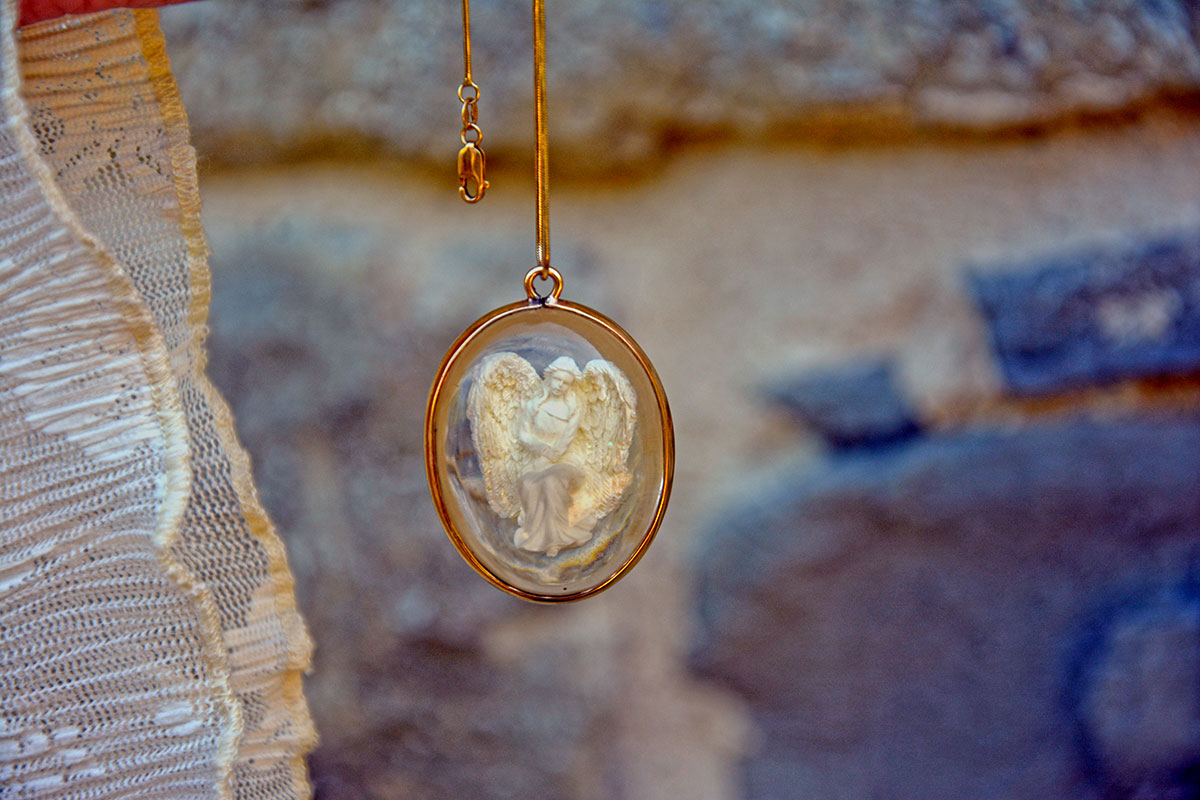
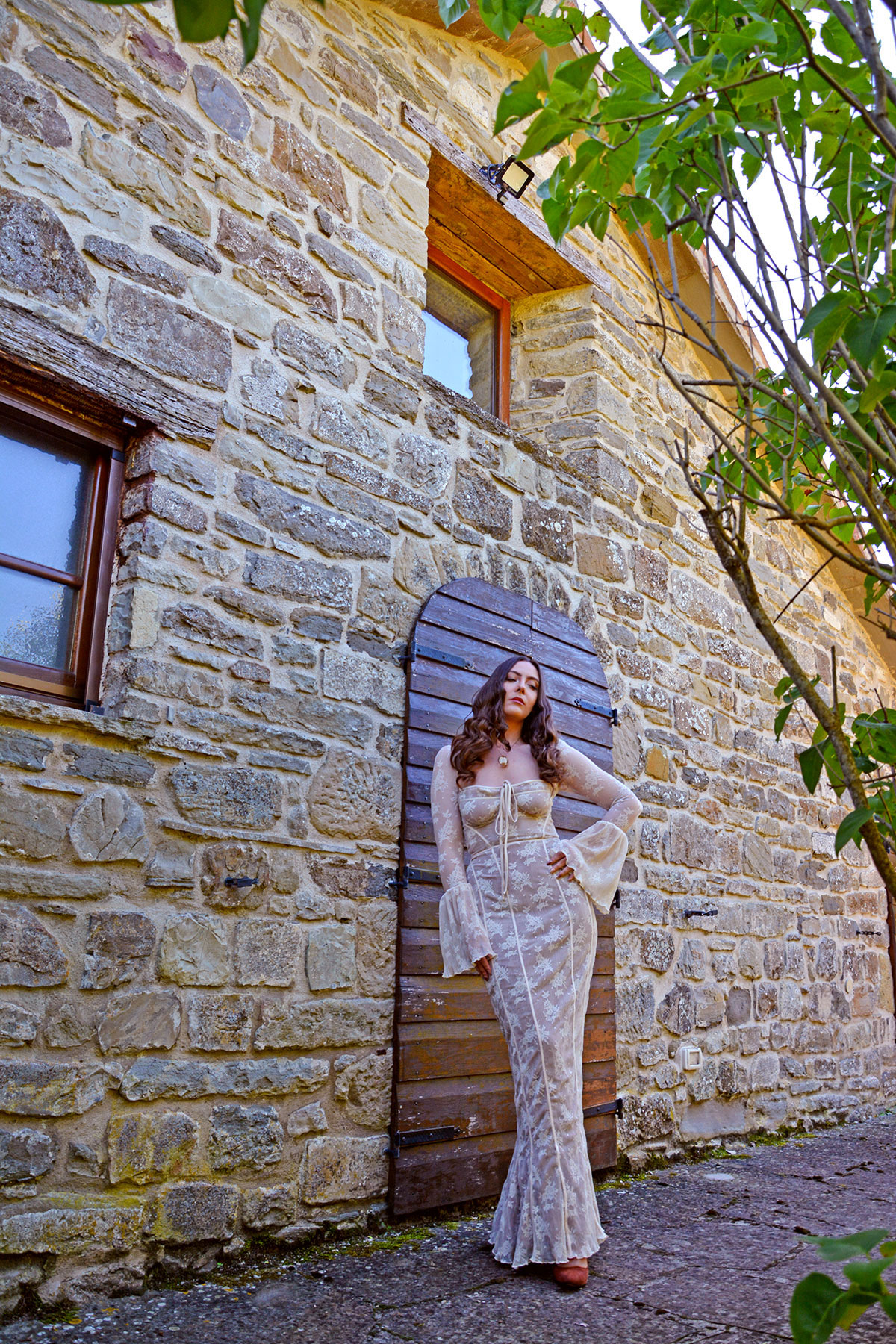
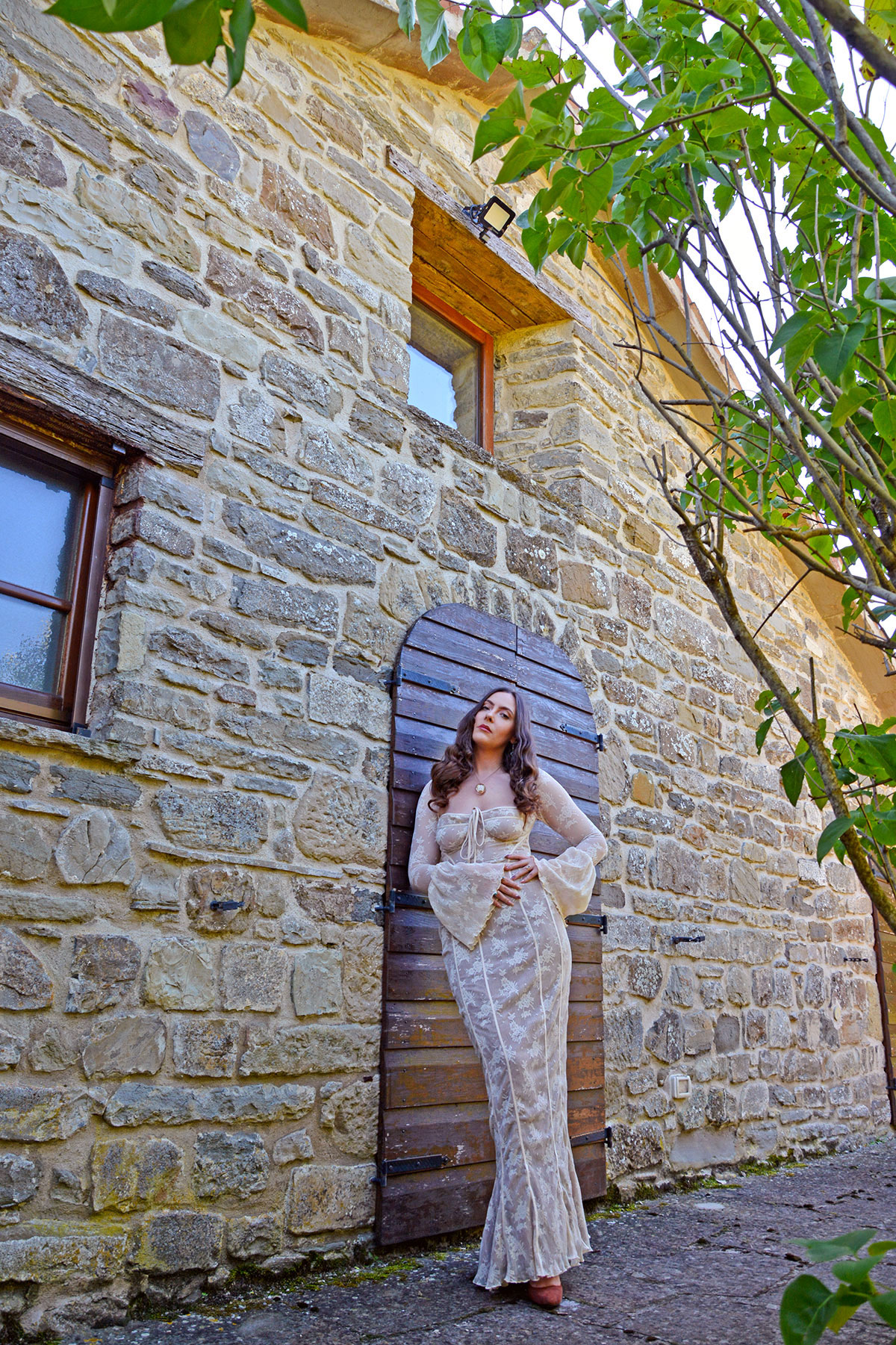
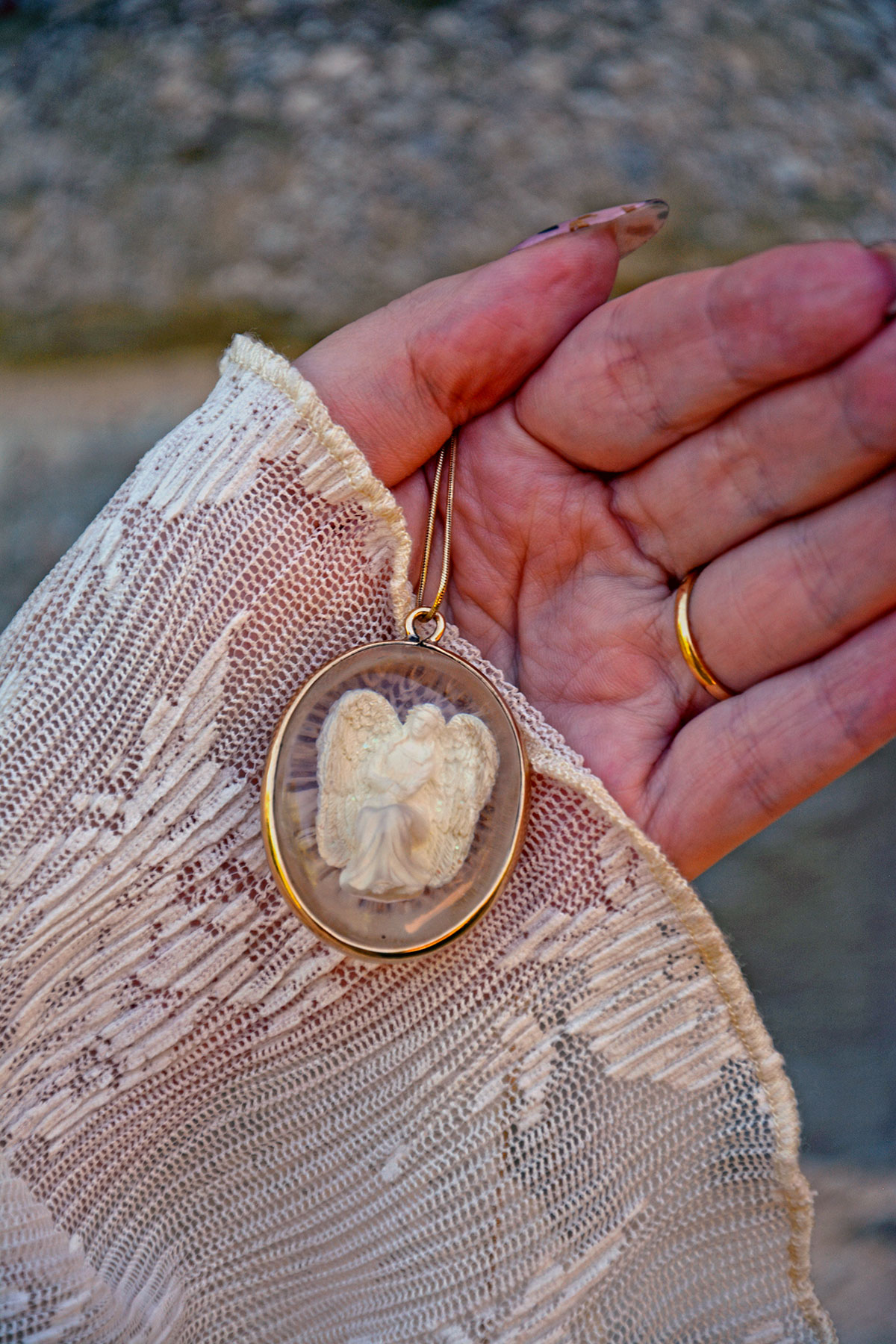
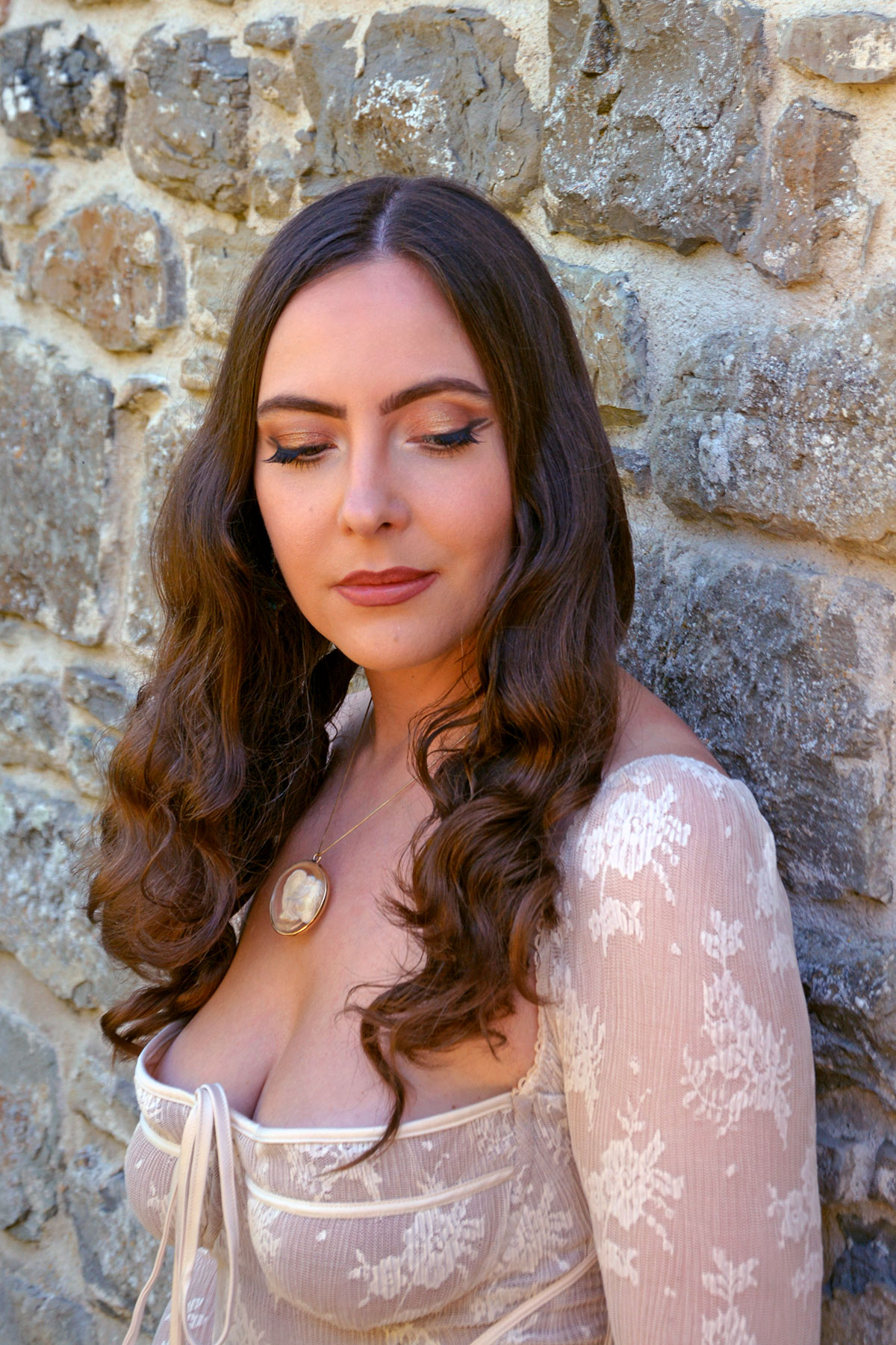
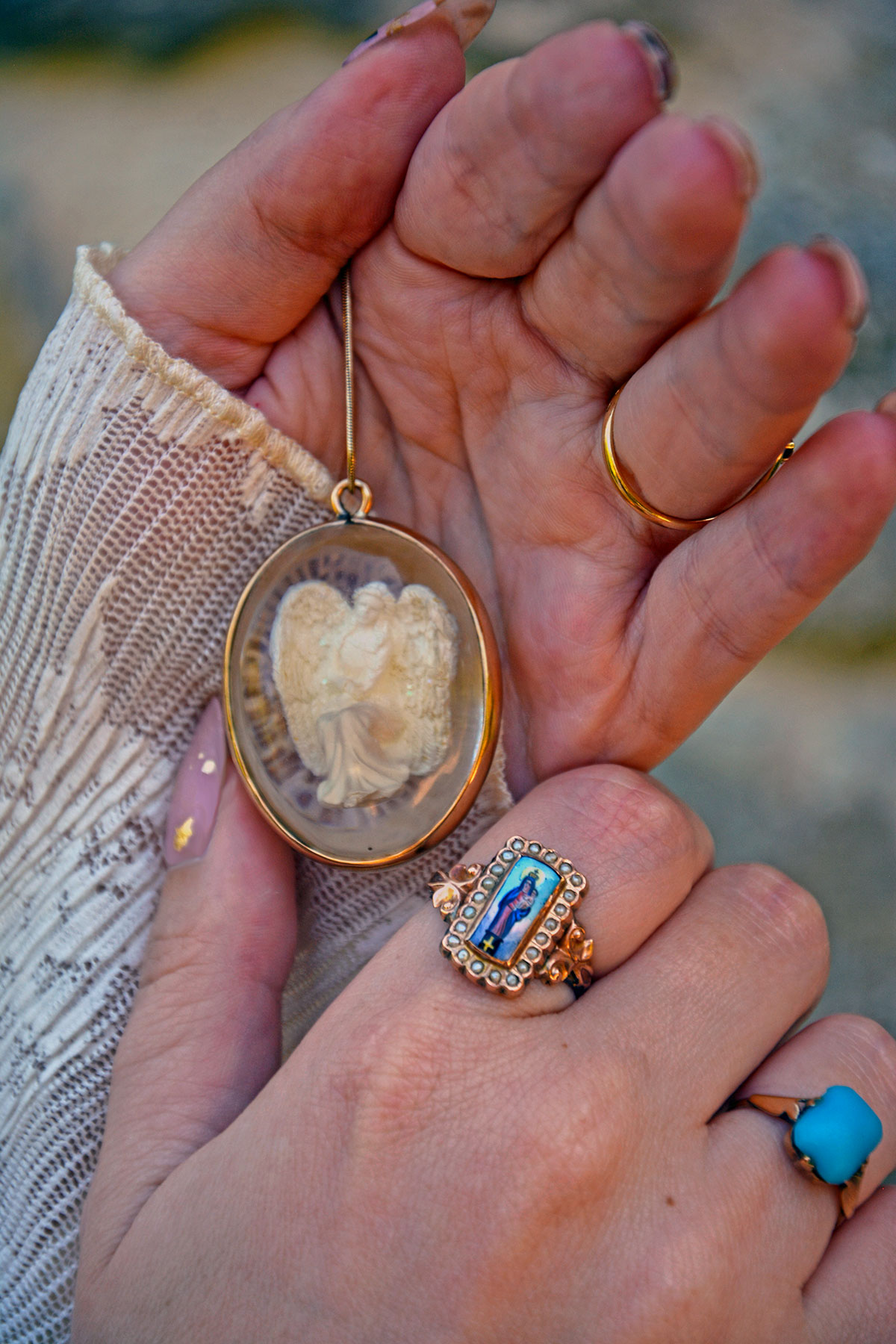
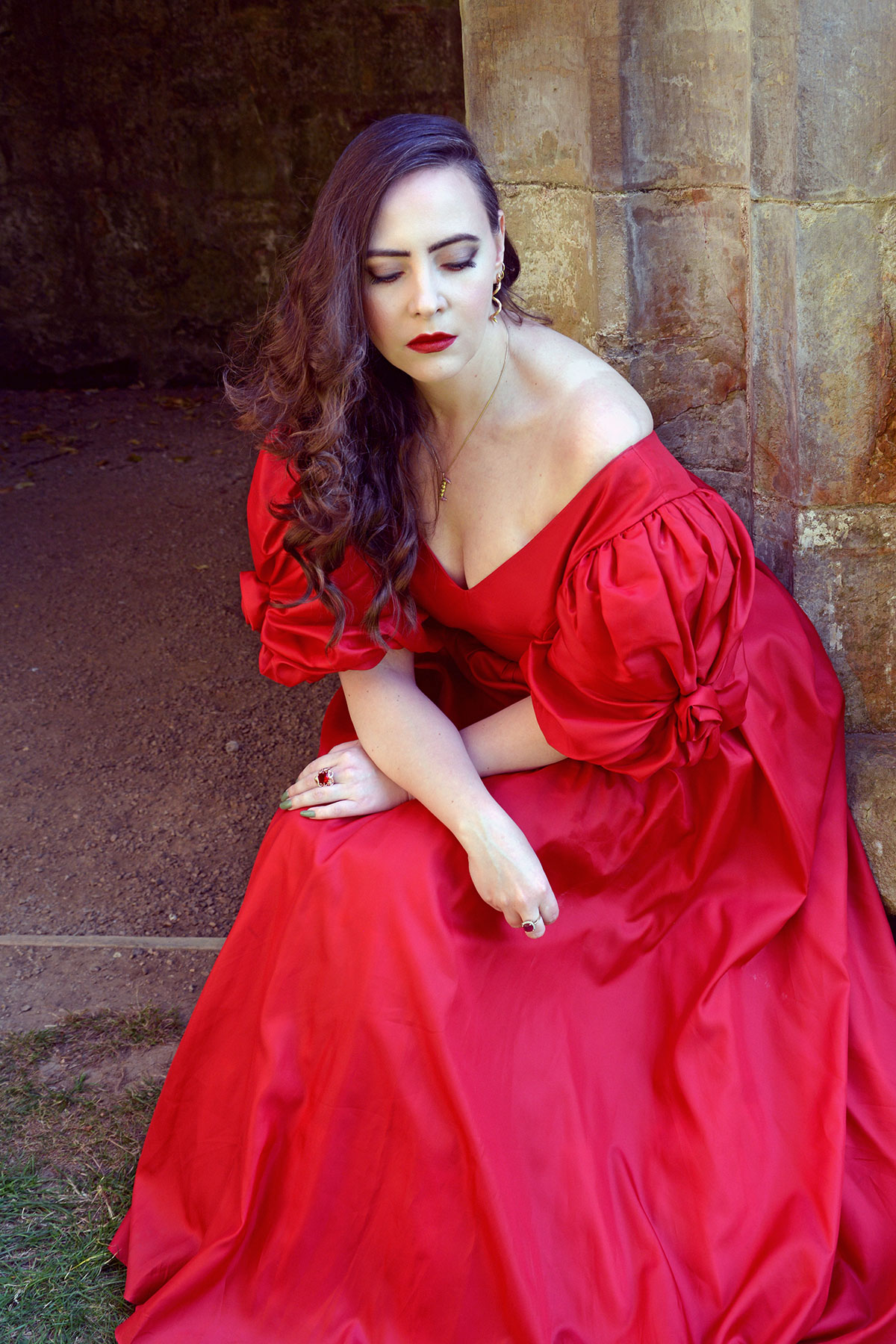
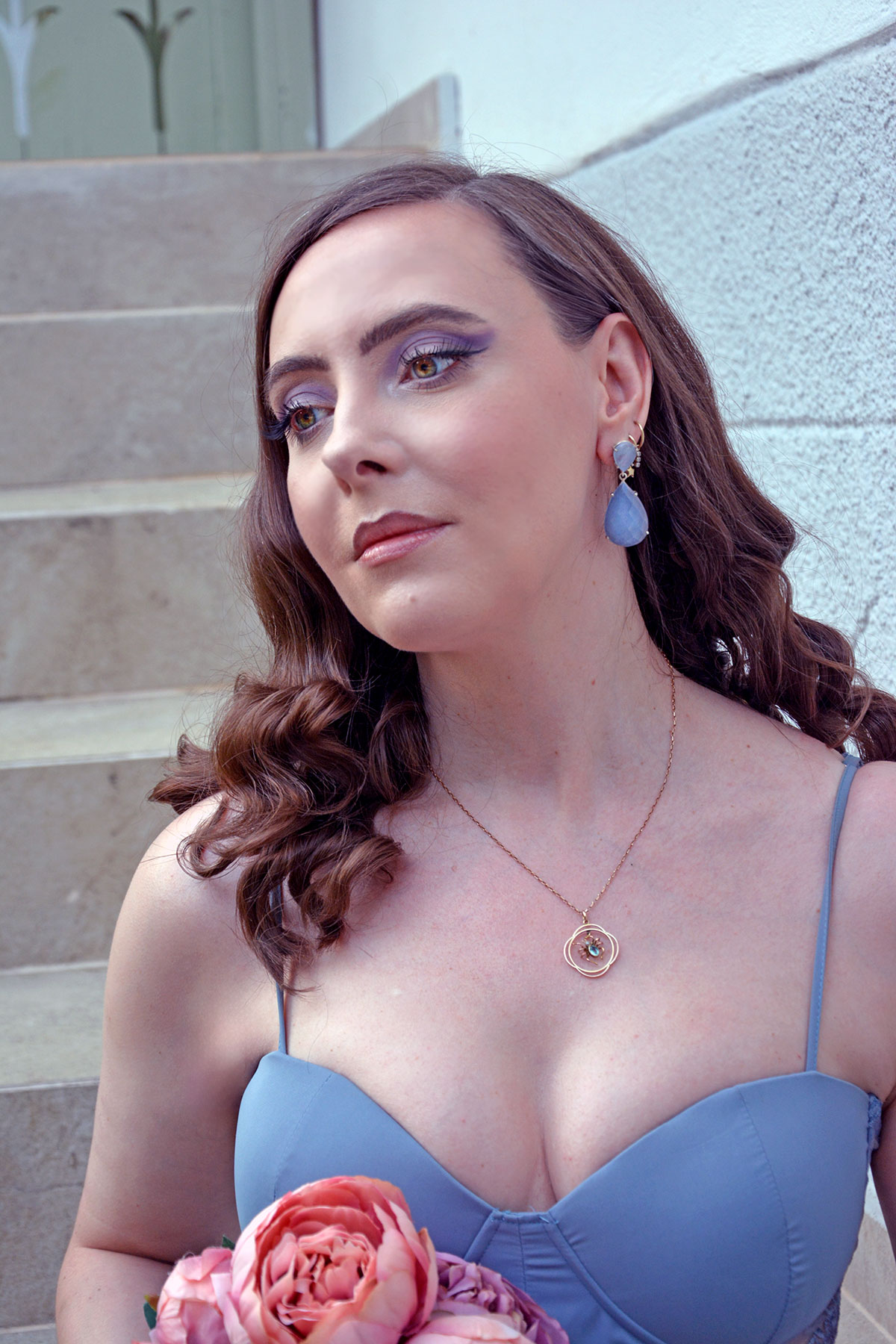
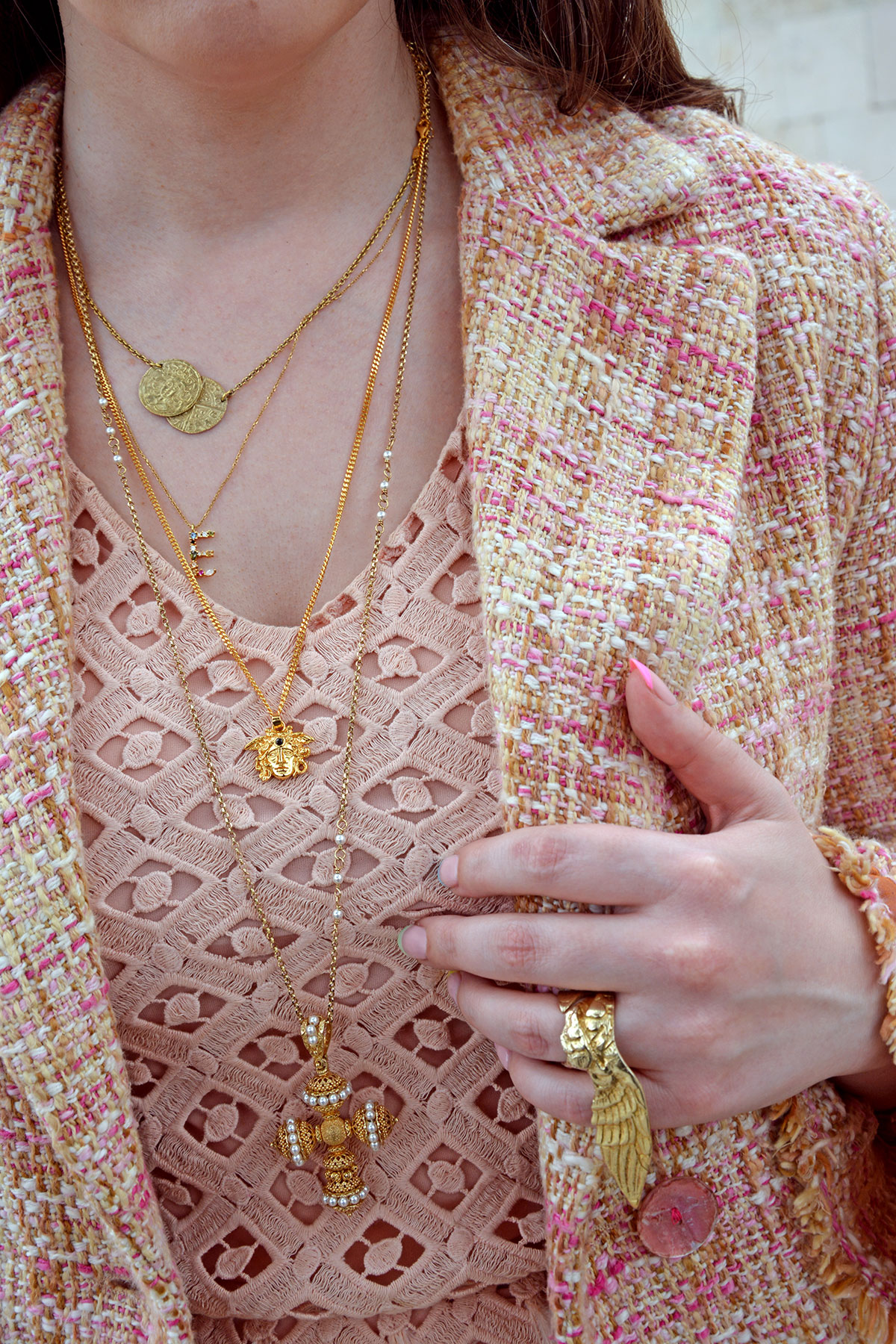
My angel pendant that you see in the photos belongs to a long lineage of celestial symbols. Find out more about the symbols of the sky in jewellery here.
Angels may be seen as more religious than celestial by many, but there is no dispute that they are visitors from the realm of the dead, and not the living.
In jewellery angels represent protection and the soul’s journey heavenward. In cameos, pendants, and brooches, their serene faces remind the wearer that love doesn’t end, instead it transforms. Or, if the angel happens to be Cupid, then love strengthens.
While on the topic of Cupid, it’s worth mentioning that the origin of this entity was from Roman mythology. Cupid was the god of love. Having said that, during the Renaissance period, Italian artists started portraying him as a chubby male child with wings and an arrow, bundling Cupid with the same depiction as cherubim, and collectively calling these chubby babies “putto”. However, according to the Book of Ezekiel, cherubim were described as awe-inspiring, terrifying creatures with four faces: Human, lion, ox and eagle. That is quite fearsome. But they ended up sticking in our minds as overweight babies, along with Cupid, which didn’t even come from the Bible.
Urns: The vessel of memory
The urn became a popular motif to showcase in Georgian mourning miniatures carried within rings and lockets, representing the body as a sacred vessel.
Often paired with draped fabric, it conveyed dignity in loss, and a quiet reverence for the physical form left behind.
Weeping willows: Grief that grows
Perhaps the most poetic of all motifs, the willow’s drooping branches symbolised sorrow, and also endurance. Why? Because it bends, never breaks.
Often engraved on ivory plaques and set in gold, it whispered of mourning softened by time, and an acknowledgement of the afterlife.
Clasped hands: together again
Known as fede motifs (from the Italian fedele, meaning faithful), these entwined hands promised reunion in the afterlife. Hands in jewellery is a topic within itself, read about it here.
In Victorian times, they symbolised both marriage and eternity: Two souls clasped forever, no matter the in life or in death.
Lover’s eyes: The gaze eternal
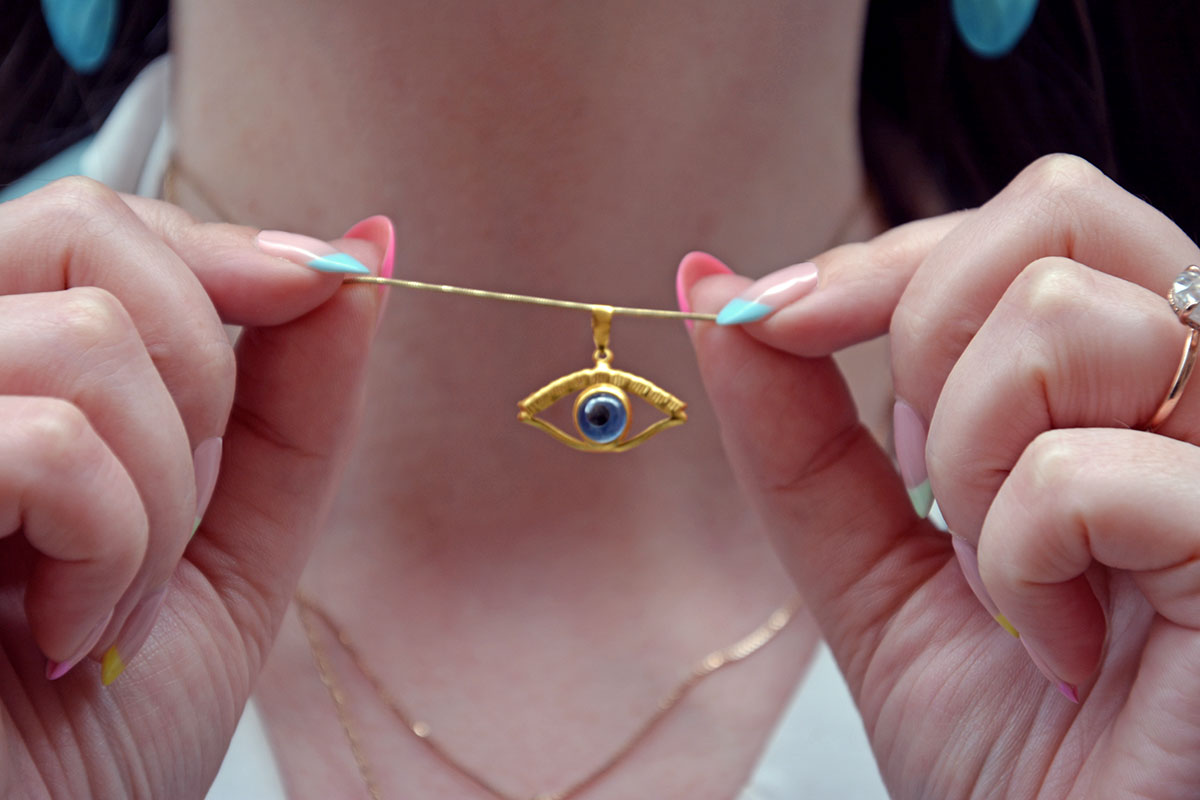
An entire eye (and only an eye) painted in miniature and set beneath crystal was extremely popular among the Georgians. A lover’s eye was seen as romantic, secretive, and hauntingly intimate. This was because sending your loved one a miniature only of an eye kept the romance incognito. After all, who can tell a lover just by an eye?
These creations were a way to keep watch, from a far distance or even from beyond the grave. Surrounded by pearls (symbolising tears), they embodied eternal devotion, even if it was a scandalous secret.
Serpents: Circular eternity
The serpent, ancient and mysterious, symbolised the eternal cycle of life and death. This symbol is especially prevalent when the serpent has its tail in its mouth, forming a circular “eternal” shape.
When Prince Albert gifted Queen Victoria a snake engagement ring, it wasn’t seen as a strange choice, it was a symbol of infinite love. Also, right after the engagement, a massive trend for snake jewellery ensued.
(But maybe also, a bit of a strange choice? That could have been a birthday present, but each to their own.)
Memento mori: Remember to live
Skulls, coffins, hourglasses, all are reminders of mortality, yes, but they are not seen as morbid.
“Memento mori” literally means remember you must die. This served as a gentle nudge to live meaningfully. These jewels were philosophical, not fearful. While you may think of the Victorians here again that made the trend popular, but actually it was during the medieval ages that these motifs first gained momentum.
Crosses and doves: Faith and flight
Crosses symbolised redemption; doves, the soul’s peaceful journey. Together, they spoke of hope, that this life was simply one chapter in a longer story. And what was the next step? The beautiful afterlife.
The dove also has a different meaning. For Christian Catholics, the dove represents the Holy Spirit. This is why crosses and doves may be seen as symbols of catholicism, not only the transition into life after death.
Floral motifs: Love that blooms beyond death
The Victorians adored the hidden meanings of flowers:
- Forget-me-nots: Everlasting remembrance.
- Lilies: Purity and renewal.
- Roses: Love that defies time.
- Poppies: Eternal sleep.
Jewellery became a bouquet of coded sentiment, and every petal seemed to have a quiet message. Find out more about the language of flowers, or as I call it, FlowerTok, here.
Hairwork: The intimacy of memory
It might sound eerie today, but wearing the hair of a loved one was once the ultimate expression of love.
Braided into bracelets or tucked into crystal lockets, these strands became talismans of connection; part relic, part art.
Would you wear hairwork jewellery today?
Aesthetics of the beyond
Pieces carrying afterlife symbols in antique jewellery weren’t just emotional, they were breathtakingly beautiful, and expensive. Jet, onyx, seed pearls, and gold enamel were common materials.
Many featured hidden compartments, miniature paintings, or intricate enamelwork in black and white.
Even today, they feel otherworldly. There’s something hypnotic about them, as if the soul that once inspired them still lingers in the gleam. But maybe that’s the feeling it’s meant to evoke?
Why we still wear symbols of the afterlife?
Modern collectors are rediscovering the allure of mourning and afterlife symbolism. These jewels don’t feel sombre; to some they feel real, to others they are simply curios.
Wearing an angel pendant or an antique mourning brooch today is not about grief. It’s about continuity. It’s about honouring the stories that refuse to end.
Afterlife symbols in antique jewellery shows us that death, too, can be adorned, and that it isn’t the end. In every serpent’s coil, every angel’s wing, and every pearl of remembrance lies a truth older than time:
Beauty, like love, lives beyond human life. It only needs us humans as custodians.